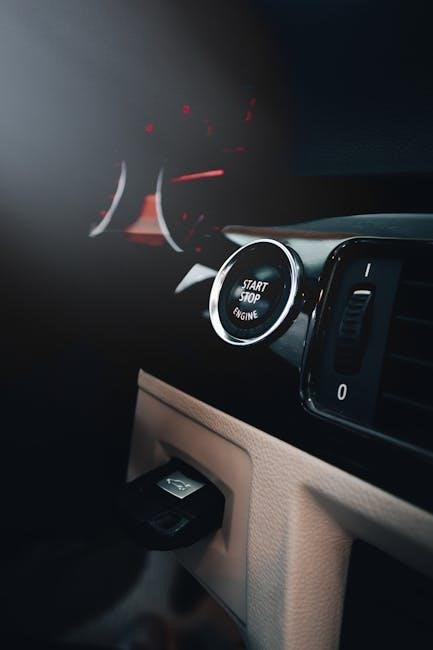
Remote Start Systems for Manual Transmission Vehicles: A Comprehensive Guide
Historically deemed impossible, remote starting a manual transmission vehicle is now a reality thanks to innovative systems from brands like Compustar and Python.
These systems necessitate specific protocols – neutral position, engaged parking brake, and key fob activation – ensuring safe operation and preventing unintended movement.
Modern solutions cleverly override the neutral safety switch, allowing remote ignition while prioritizing vehicle security and addressing previous technological limitations.
For years, the idea of remotely starting a manual transmission vehicle seemed firmly rooted in the realm of impossibility. Conventional wisdom dictated that a manual car required a driver actively engaging the clutch and shifter to initiate the engine. However, advancements in automotive technology have shattered this long-held belief, opening up a new world of convenience for manual transmission enthusiasts.
Previously, the absence of a Park position and the potential for uncontrolled vehicle movement presented significant safety hurdles. Now, sophisticated remote start systems are specifically engineered to address these concerns. These systems aren’t simply adapting existing automatic transmission technology; they’re employing unique protocols and safety measures. The core principle revolves around ensuring the vehicle is in neutral with the parking brake firmly engaged before allowing remote ignition.
This introduction will explore how these systems function, the brands leading the charge, and the crucial safety considerations involved in bringing this once-unthinkable feature to life.
The Historical Perception: Why It Was Once Considered Impossible
The fundamental design of a manual transmission vehicle historically precluded remote start functionality. Unlike automatics with a defined “Park” position, manuals rely on a driver actively controlling the clutch and shifter to prevent unintended movement. The inherent risk of a car rolling or lurching forward without driver intervention was – and remains – a paramount safety concern.
Early attempts at remote start systems were exclusively designed for automatic transmissions, lacking the necessary logic to account for a manual gearbox. The neutral safety switch, a critical component in automatics, simply didn’t translate to a manual system. The prevailing belief was that a remote start system couldn’t reliably verify the vehicle was safely in neutral and the parking brake engaged.
Consequently, the automotive industry largely dismissed the possibility, perpetuating the notion that remote starting a manual transmission vehicle was technologically unfeasible and, more importantly, unsafe.
Modern Solutions: How Remote Start is Now Possible
Contemporary remote start systems for manual transmissions overcome historical limitations through sophisticated engineering and multi-layered safety protocols. These systems don’t simply bypass safety features; they actively integrate with them. A crucial element is the required engagement of the parking brake, a non-negotiable condition for remote activation.
Furthermore, the vehicle must be confirmed in neutral before the system allows ignition. This is achieved through a combination of sensor monitoring and, often, a user-initiated sequence involving the key fob. The process, as seen with Evo Start, typically involves a specific button press while in neutral with the brake engaged.
Neutral safety switch override is implemented intelligently, ensuring the car won’t start unless all safety criteria are met. Brands like Compustar and Python have pioneered these solutions, making remote start a viable and safe option for manual vehicle owners.
Understanding the Technology
Remote start relies on bypassing the neutral safety switch, demanding parking brake activation and a confirmed neutral gear position for safe operation.
Key fob programming integrates with these systems, initiating a controlled start sequence while prioritizing vehicle security and preventing accidental movement.
Neutral Safety Switch Override
Traditionally, the neutral safety switch prevents starting a vehicle unless it’s in Park or Neutral, a crucial safety feature for automatic transmissions. However, manual transmission vehicles require a different approach for remote start functionality. Modern remote start systems effectively override this switch, but not without significant safeguards.
This override isn’t a simple bypass; it’s a carefully programmed sequence. The system verifies the parking brake is firmly engaged and the gear selector is definitively in neutral before allowing the engine to ignite remotely. This multi-step verification process is paramount to preventing unintended vehicle movement. The override is only active during the remote start sequence, reverting to normal operation once the driver enters and takes control of the vehicle.
Compustar and Python systems, for example, utilize sophisticated algorithms to ensure this process is reliable and secure, mitigating any potential safety risks associated with disabling a core safety feature.
Parking Brake Engagement Requirement
A fundamental safety protocol for remote starting a manual transmission vehicle is the mandatory engagement of the parking brake. This isn’t merely a suggestion; it’s a non-negotiable requirement built into the system’s programming. The parking brake acts as the primary safeguard against unintended vehicle movement during the remote start sequence.
Systems like Evo Start, Compustar, and Python are designed to verify the parking brake is firmly applied before authorizing the engine to start. This verification often involves monitoring the parking brake switch, ensuring it’s in the engaged position. Without this confirmation, the remote start will be inhibited, preventing a potentially dangerous situation.
The requirement ensures the vehicle remains stationary, even if the engine is running, providing a crucial layer of security. Users must consistently engage the parking brake fully each time they utilize the remote start feature, reinforcing a safe operational habit.
The Role of Key Fob Programming
Key fob programming is central to the functionality of manual transmission remote start systems. It’s the method through which the vehicle “recognizes” the authorized user and enables the remote start feature. This process typically involves a specific sequence of actions, often requiring a technician with specialized equipment.
Systems from Compustar and Python, for example, require the key fob to be paired with the vehicle’s onboard computer. This pairing establishes a secure communication link, preventing unauthorized remote starts. The programming process often involves bypassing or overriding existing security features, necessitating professional expertise.
Furthermore, the key fob allows for multiple activation sequences – remote start, lock/unlock, and potentially other functions. Correct programming ensures these functions operate seamlessly and securely, providing a convenient and safe user experience.
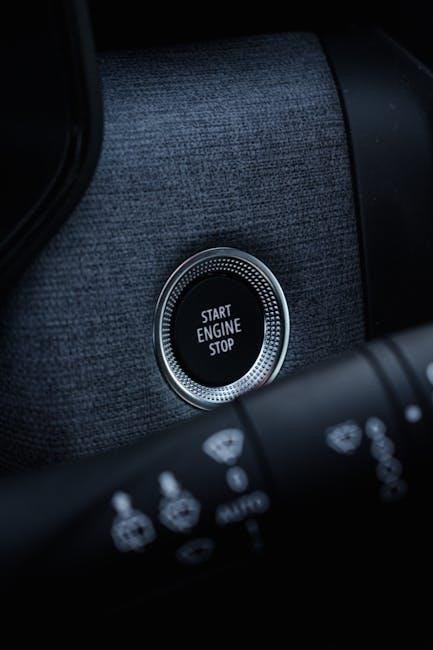
Popular Remote Start Systems for Manuals
Compustar, Python, and Evo Start are leading brands offering solutions for manual transmissions, providing safe remote ignition with specific activation protocols.
These systems deliver convenience and security, integrating seamlessly with various vehicle makes and models, enhancing the driving experience.
Compustar Systems: Features and Compatibility
Compustar stands out as a premier provider of remote start systems specifically engineered for manual transmission vehicles, offering a range of features designed for safety and convenience. Their systems typically require the vehicle to be placed in neutral with the parking brake engaged before activation, a crucial step to prevent unintended movement.
Key fob programming is central to Compustar’s functionality, often involving a specific sequence of button presses to confirm the vehicle is in a safe state. Compatibility varies, but Compustar generally supports a broad spectrum of vehicles, including popular models like the Toyota Tacoma and Jeep Wrangler.
Advanced features include smartphone control via the Compustar DataPort, allowing users to remotely start, lock/unlock, and track their vehicle. Bypass modules are often necessary for vehicles with factory security systems, ensuring seamless integration. Compustar prioritizes security, incorporating features like a kill switch to prevent unauthorized operation, making it a reliable choice for manual transmission owners.
Python Systems: Features and Compatibility
Python offers robust remote start solutions for manual transmission vehicles, focusing on user-friendly operation and dependable performance. Like Compustar, Python systems necessitate a specific pre-start sequence – neutral gear selection and firm engagement of the parking brake – to guarantee vehicle safety. Their systems are designed to prevent accidental vehicle movement during remote start.
Compatibility is a key strength of Python, supporting a diverse range of makes and models. Key fob functionality is streamlined, often requiring a simple button combination to initiate the remote start process. Python also provides options for smartphone integration, allowing control through a dedicated app.
Security features, such as a vehicle immobilization system, are integrated to deter theft. Bypass modules are available to circumvent factory security systems, ensuring proper system operation. Python systems are known for their reliability and ease of use, making them a popular choice for manual transmission vehicle owners seeking convenient remote start capabilities.
Evo Start Systems: Features and Compatibility
Evo Start distinguishes itself with specialized remote start systems engineered specifically for manual transmission vehicles, prioritizing safety and ease of use. A defining characteristic is the required pre-start procedure: placing the vehicle in neutral and firmly applying the parking brake before activation. This ensures the vehicle remains stationary during the remote start sequence.
Compatibility spans a wide array of vehicles, though specific model support should be verified. Evo Start systems often feature a multi-step activation process, involving a sequence of button presses on the key fob, confirmed by blinking lights. This confirms the system is ready to start.
Advanced features include a built-in safety override and diagnostic capabilities. Evo Start emphasizes a secure and reliable remote start experience, offering a viable solution for manual transmission owners seeking convenient vehicle pre-heating or cooling. Professional installation is highly recommended for optimal performance and safety.
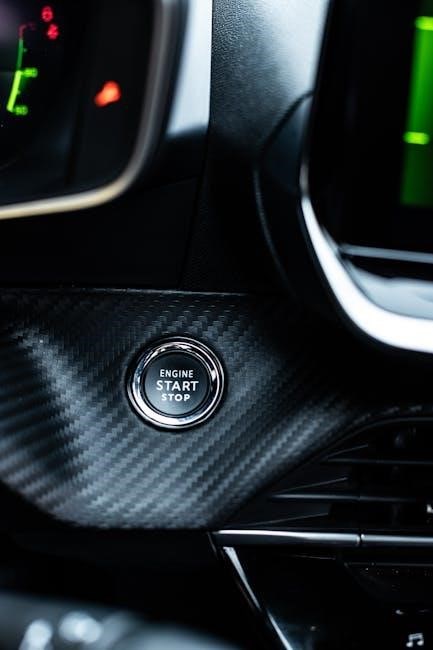
Installation and Setup Procedures
Professional installation is crucial, involving precise wiring and programming to ensure seamless integration with the vehicle’s existing systems and safety features.
Calibration requires verifying neutral, brake, and fob activation sequences, guaranteeing the system operates correctly and prevents accidental engagement.
Thorough testing confirms reliable remote start functionality, validating all safety protocols and ensuring a secure, user-friendly experience for the driver.
Step-by-Step: Neutral, Brake, and Fob Activation
Initiating the remote start sequence for a manual transmission vehicle requires a precise, multi-step process. First, ensure the vehicle is in neutral; this is paramount for safety. Next, firmly engage the parking brake – this prevents any unintended rolling or movement during the remote start procedure.
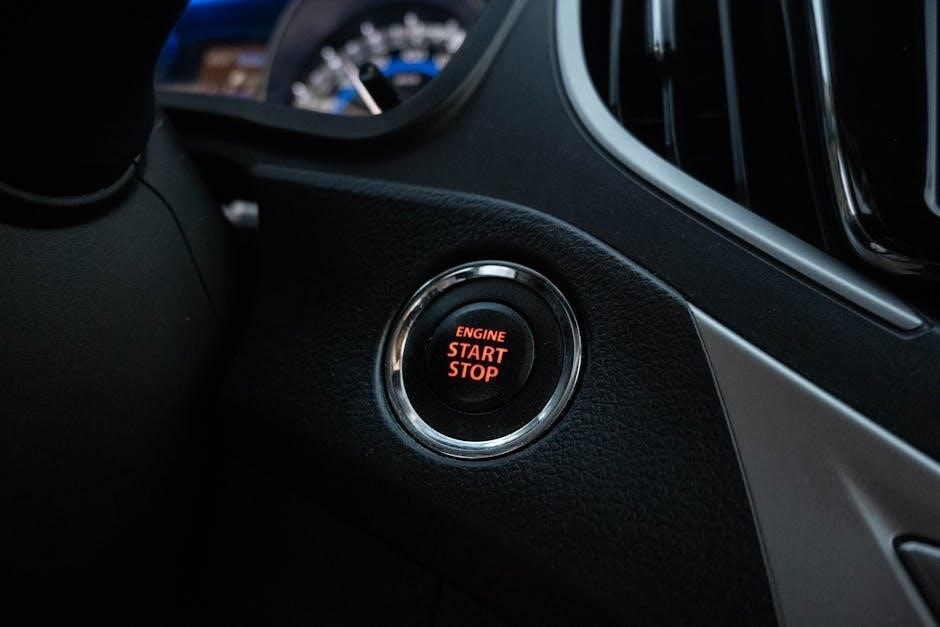
With the vehicle in neutral and the parking brake applied, exit the vehicle, ensuring all doors are completely closed. Now, using your programmed key fob, press and hold the remote start button. You may notice the vehicle’s lights flashing to confirm the system is receiving the signal and initiating the start-up sequence.
Avoid touching the brake pedal during this process, as this can interrupt the sequence. The system is designed to bypass the neutral safety switch, but maintaining these steps is vital. After a few moments, the engine should start remotely. Remember, this process may take a little practice to become fluid, adding approximately 20-30 seconds to your normal shut-off routine.
The Importance of Professional Installation
While DIY kits exist, professional installation of a remote start system in a manual transmission vehicle is strongly recommended. These systems require intricate wiring and precise integration with the vehicle’s existing electrical infrastructure, including the neutral safety switch override and parking brake system.
A qualified technician possesses the expertise to ensure proper functionality, avoiding potential damage to the vehicle’s electronics or compromising its safety features. Incorrect wiring can lead to system malfunctions, battery drain, or even immobilize the vehicle.
Professional installers will also meticulously calibrate the system, verifying correct operation of the neutral, brake, and fob activation sequence. They can also diagnose and resolve any compatibility issues specific to your vehicle’s make and model, guaranteeing a seamless and reliable remote start experience. Don’t risk it – choose expertise!
Calibration and Testing the System
Post-installation, rigorous calibration is crucial for a manual transmission remote start system. This involves verifying the system correctly recognizes the vehicle is in neutral with the parking brake engaged before allowing ignition. Technicians will meticulously test the key fob’s activation sequence, ensuring it initiates the start-up procedure as intended.
Comprehensive testing extends to confirming the system disengages properly, preventing accidental movement. Multiple start/stop cycles are performed under various conditions to validate reliability. Error code diagnostics are also conducted to identify and address any potential issues proactively.
Proper calibration guarantees the system operates safely and efficiently, providing peace of mind. It’s essential to confirm the lights blink as expected during the activation process, signaling successful system engagement. A thorough test drive is the final step, validating real-world performance.

Safety Considerations
Prioritizing vehicle security is paramount; systems require neutral, parking brake engagement, and fob verification to prevent unintended operation or potential rollaway scenarios.
Understanding system limitations – like the need for specific conditions – is vital for responsible use and avoiding hazardous situations during remote activation.
Ensuring Vehicle Security
Remote start systems for manual transmissions incorporate multiple layers of security to prevent unauthorized operation and potential theft. A core component is the requirement for the vehicle to be in neutral with the parking brake firmly engaged before the system will activate. This prevents any accidental movement during the remote start process, a critical safety feature.
Furthermore, most systems necessitate a valid signal from the vehicle’s key fob, often employing encrypted communication to thwart attempts at signal interception or cloning. The fob’s authentication process confirms the owner’s authorization before initiating the engine. Many advanced systems also integrate with the vehicle’s existing alarm system, providing an additional layer of protection.
Proper installation by a qualified technician is crucial to ensure these security features function correctly and aren’t compromised. Tampering with the system or incorrect wiring can create vulnerabilities. Regularly testing the system and being aware of its limitations are also essential for maintaining vehicle security.
Preventing Accidental Movement
A paramount concern with remote start systems for manual transmission vehicles is preventing unintended vehicle movement. These systems are engineered with multiple safeguards to mitigate this risk, primarily revolving around the vehicle’s state during activation. The mandatory engagement of the parking brake is a foundational safety measure, physically restraining the vehicle.
Simultaneously, the system verifies the transmission is in neutral, eliminating drive or reverse gear engagement. This dual-action requirement – neutral and parking brake – creates a robust barrier against accidental rolling. Modern systems often include a monitoring function that continuously checks the parking brake’s status even after the engine starts, disengaging the remote start if it’s released prematurely.
User adherence to the correct startup procedure is also vital; failing to fully engage the parking brake or ensure the vehicle is in neutral can compromise safety. Professional installation and thorough system testing are crucial to confirm these preventative measures function flawlessly.
Understanding System Limitations
Remote start systems for manual transmissions, while innovative, possess inherent limitations users must acknowledge. The startup sequence – neutral, parking brake, fob activation – adds time to the process, approximately 20-30 seconds, compared to automatic vehicles. This isn’t a malfunction, but a necessary safety protocol.
Furthermore, these systems typically won’t function if the vehicle isn’t precisely in neutral with the parking brake firmly engaged. Slight misalignments can prevent activation, requiring re-attempting the procedure. Environmental factors, like extremely cold temperatures, can occasionally impact battery performance, potentially hindering startup reliability.
It’s crucial to remember these systems aren’t designed for operation while the vehicle is in motion. They are strictly for remote pre-heating or cooling. Understanding these boundaries ensures safe and effective use, maximizing the benefits while minimizing potential issues.
Specific Vehicle Applications
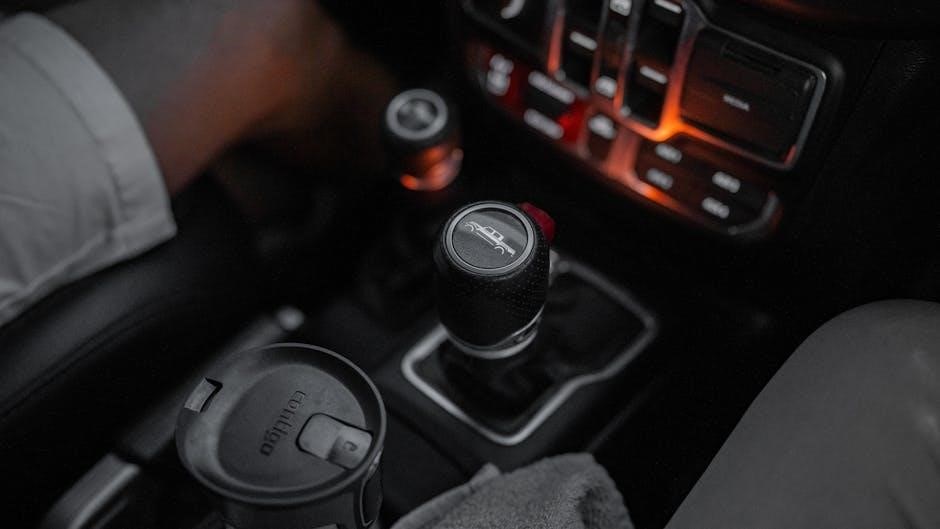
Popular choices like the Toyota Tacoma (4th Gen) and Jeep Wrangler (JL/JLU) readily accommodate manual transmission remote start systems, enhancing convenience and comfort.
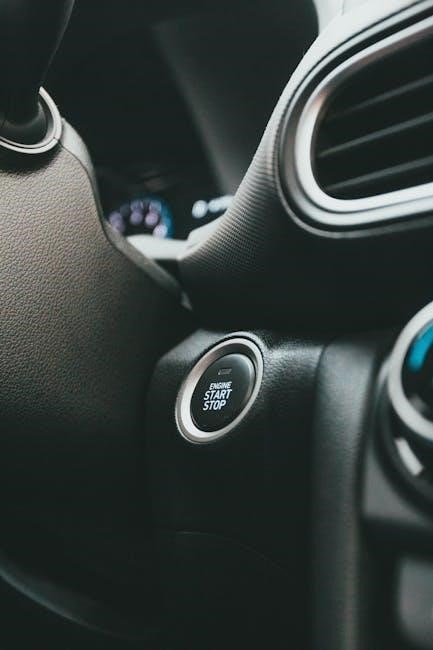
Installation procedures may vary slightly depending on the vehicle’s year and model, requiring professional expertise for optimal performance and safety.
Compatibility with specific systems – Compustar, Python, or Evo Start – should be verified before purchase to ensure seamless integration.
Remote Start on Toyota Tacoma (4th Gen)
The 4th generation Toyota Tacoma presents a viable, though nuanced, platform for manual transmission remote start integration. Owners frequently report a specific activation sequence is crucial: ensuring the vehicle is firmly in neutral, the parking brake is fully engaged, and then utilizing the key fob to initiate the remote start process.
Many users on Tacoma4G.com note that the system confirms successful engagement with a series of light flashes, indicating the remote start is operational. However, it’s acknowledged that this process adds approximately 20-30 seconds to the standard shutdown procedure, requiring a slight adjustment to routine.
Professional installation is highly recommended, as proper calibration and system configuration are vital for safe and reliable operation. Choosing a reputable installer familiar with Tacoma-specific remote start systems will minimize potential issues and ensure optimal performance. Compatibility with Compustar and Python systems is commonly reported within the Tacoma community.
Remote Start on Jeep Wrangler (JL/JLU)
Initially, the concept of remote starting a manual Jeep Wrangler (JL/JLU) was widely considered impossible due to inherent safety concerns. However, advancements in aftermarket technology, specifically from Compustar and Python, have proven otherwise. These systems address the challenge by requiring a multi-step verification process before ignition.
The core functionality relies on a neutral safety switch override, coupled with mandatory parking brake engagement. This ensures the vehicle remains stationary during remote start, preventing accidental movement. Online forums, like JLwranglerforums.com, demonstrate a shift in perception, with owners successfully implementing these systems.
Professional installation is paramount for Wranglers, given the vehicle’s complex electrical architecture. Proper integration and calibration are essential for reliable operation and to avoid potential conflicts with existing systems. Careful consideration of system limitations is also advised.
Troubleshooting Common Issues
System failures often stem from a lack of proper activation – ensure neutral, the parking brake, and fob signals are correctly transmitted and received.
Diagnostic error codes, alongside unresponsive systems or start failures, require professional assessment to pinpoint the root cause and restore functionality.
System Not Responding
A non-responsive remote start system can be incredibly frustrating, but several troubleshooting steps can be taken before seeking professional help. First, verify the key fob’s battery; a simple replacement often resolves the issue. Ensure there’s clear line of sight between the fob and the vehicle, as obstructions can interfere with the signal.
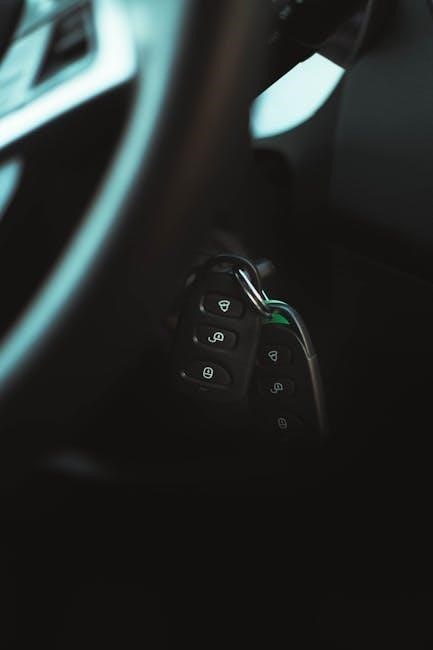
Check the vehicle’s security system – sometimes, an activated alarm can disable the remote start function. Confirm the parking brake is firmly engaged and the vehicle is definitively in neutral, as these are critical prerequisites. If the system still fails to respond, consult the owner’s manual for specific reset procedures or error code interpretations.
Consider potential interference from other electronic devices. Finally, if none of these steps work, a professional diagnostic scan is recommended to identify underlying electrical or system malfunctions.
Vehicle Fails to Start
If your manual transmission vehicle doesn’t start after initiating the remote start sequence, several factors could be at play. First, double-check the neutral position; even a slight misalignment can prevent ignition. Ensure the parking brake is fully engaged, as this is a crucial safety interlock. A weak vehicle battery is a common culprit – have it tested for sufficient voltage.
Inspect the fuel system; a lack of fuel pressure can hinder starting. Verify the immobilizer system isn’t interfering, as some systems require a specific key signal even during remote start. Check for any error codes displayed on the vehicle’s dashboard or through a diagnostic scanner.
Consult the remote start system’s manual for troubleshooting specific to your model. If issues persist, professional diagnosis is recommended to pinpoint the root cause.
Error Codes and Diagnostics
Remote start systems for manual vehicles often feature diagnostic capabilities, displaying error codes to indicate issues; These codes, specific to the system (Compustar, Python, Evo Start), require interpretation using the manufacturer’s documentation. Common codes relate to neutral safety switch failures, parking brake inconsistencies, or communication errors between the system and the vehicle’s CAN bus.
A diagnostic tool, often available from the system installer, can read and clear these codes. Checking wiring connections is crucial; loose or corroded wires can trigger false errors. Verify the key fob battery isn’t causing communication problems.
If unable to resolve the issue, consult a professional installer. They possess specialized tools and knowledge to accurately diagnose and repair the system, ensuring safe and reliable operation.
No Responses