
AMGA Rock Guide Certification: A Comprehensive Overview (as of 12/13/2025)
The American Mountain Guides Association (AMGA) provides the premier pathway to professional guiding standards within the United States, offering specialized rock, alpine, and ski guide certifications․
What is the AMGA?
The AMGA (American Mountain Guides Association) stands as the leading organization for professional mountain guides in the United States, and is the sole provider of the IFMGA-American Mountain Guide certification․ It establishes national standards for guide training, certification, and ethics, ensuring a high level of competence and safety for both guides and their clients․
The AMGA’s certification system is modular, allowing individuals to specialize in disciplines like rock, alpine, and ski guiding․ This structured approach involves a progression of courses and exams, designed to build skills and experience incrementally․ The organization doesn’t just certify individuals; it actively promotes best practices and a culture of continuous professional development within the guiding community․
Ultimately, the AMGA serves as a vital link to the international guiding world, aligning US standards with the globally recognized IFMGA (International Federation of Mountain Guides Associations) system․
The Importance of AMGA Certification for Rock Guides

AMGA certification is increasingly vital for rock guides seeking professional recognition and employment opportunities․ Many climbing areas across the US now require instructors to be AMGA certified, and businesses often prioritize hiring guides with this credential․ It demonstrates a commitment to safety, technical proficiency, and ethical guiding practices․
Beyond employment, certification provides guides with a standardized skillset, enhancing their ability to manage risk and respond effectively to emergencies․ The rigorous training process instills confidence and competence, benefiting both the guide and their clients․ It also signifies adherence to a nationally recognized standard of care, offering peace of mind to those participating in guided climbs․
Essentially, AMGA certification isn’t merely a qualification; it’s a mark of professionalism and dedication to the climbing community․
Disciplines of AMGA Certification
The AMGA offers certification across three distinct mountain disciplines: rock, alpine, and ski․ Each discipline features a structured pathway, beginning with introductory courses and culminating in advanced training and rigorous exams․ For aspiring rock guides, the focus is on developing expertise in single and multi-pitch climbing, anchor building, rope management, and client-centered instruction․
The rock discipline is further broken down into stages – Instructor, Guide, and Advanced Guide – each building upon the previous one․ This modular approach allows individuals to specialize and progress at their own pace․ Successful completion of each level demonstrates increasing competence and responsibility in guiding climbers safely and effectively․
Ultimately, the AMGA’s disciplinary structure ensures guides possess the specific skills needed for their chosen mountain environment․

The Rock Guide Pathway
The AMGA rock guide pathway involves a progressive series of courses and exams, starting with the Rock Instructor Course and culminating in the Rock Guide Exam․
Prerequisites for the Rock Guide Course
Aspiring rock guides must demonstrate significant climbing experience and foundational skills before enrolling in the Rock Guide Course (RGC)․ Candidates are required to have led or shared the lead on a minimum of ten Grade IV or longer traditional rock routes, with at least five of these climbs completed after their initial Rock Instructor Course․
Furthermore, a strong understanding of rescue techniques is paramount․ Proficiency in various rescue scenarios, including anchor building, rappelling, and patient packaging, is essential․ The AMGA emphasizes practical application and expects candidates to confidently execute these skills in challenging environments․ Prior participation in wilderness first responder or higher-level medical training is highly recommended, though not always strictly mandated․
Demonstrated competence in client management and risk assessment is also crucial, showcasing a commitment to safety and responsible guiding practices․
Rock Instructor Course (RIC) ‒ The First Step
The ten-day Rock Instructor Course (RIC) serves as the foundational building block for aspiring AMGA rock guides․ This intensive program focuses on developing the essential teaching skills and technical proficiency needed to safely and effectively instruct novice climbers․ Participants learn to assess client abilities, design appropriate climbing lessons, and provide constructive feedback․
Key components of the RIC include instruction on anchor building, belaying techniques, rope management, and basic rescue skills․ Emphasis is placed on clear communication, hazard identification, and decision-making in a climbing environment․ Successful completion of the RIC doesn’t certify one as a guide, but it’s a mandatory prerequisite for progressing to the Rock Guide Course (RGC)․
The RIC aims to cultivate a strong pedagogical foundation, preparing candidates to confidently share their passion for climbing with others․
Rock Guide Course (RGC) ‒ Core Training
The ten-day Rock Guide Course (RGC) represents the core of the AMGA rock guide certification pathway․ Building upon the skills acquired in the Rock Instructor Course, the RGC delves into the complexities of guiding, focusing on advanced techniques and client management in more challenging terrain․ This course emphasizes independent decision-making and leadership skills․
Participants refine their technical abilities in areas like multi-pitch climbing, route finding, and advanced rescue scenarios․ A significant portion of the RGC is dedicated to practicing guiding skills with simulated clients, honing the ability to adapt to diverse needs and manage risk effectively․ The RGC prepares candidates for the rigors of the Rock Guide Exam (RGE)․
Successful completion signifies a substantial step towards professional guiding accreditation․
Advanced Rock Guide Course (ARGC) ‒ Refining Skills
The six-day Advanced Rock Guide Course (ARGC) is a crucial step following the Rock Guide Course, designed to significantly refine a candidate’s guiding abilities․ This intensive program focuses on complex scenarios and independent leadership, pushing guides to operate with a high degree of autonomy and professionalism․ It builds upon the foundation laid in previous courses, demanding a higher level of technical proficiency and decision-making․
The ARGC emphasizes nuanced client management, advanced rescue techniques, and the ability to effectively guide in challenging conditions․ Participants will encounter complex route finding and problem-solving exercises, preparing them for diverse climbing environments․ Successful completion is a prerequisite for the Rock Guide Exam (RGE) and demonstrates a commitment to excellence․

The Rock Guide Exam (RGE)
The Rock Guide Exam (RGE) is a rigorous, six-day assessment validating a candidate’s comprehensive skills in technical climbing, client management, and safety protocols․
Exam Format and Components
The Rock Guide Exam (RGE) meticulously evaluates a candidate’s abilities through a multi-faceted approach․ Expect scenarios demanding independent leadership, team collaboration, and decisive judgment in challenging terrain․ The exam incorporates both field assessments and simulated client interactions, mirroring real-world guiding situations․
Components include demonstrating proficiency in anchor building, rope management techniques, and efficient belaying systems․ Candidates will be required to lead climbs of varying difficulties, showcasing their technical prowess and route-finding skills․ Crucially, the exam assesses the ability to effectively communicate hazards, manage risk, and make sound decisions under pressure․
Furthermore, the RGE emphasizes the importance of client safety and comfort, evaluating a candidate’s capacity to provide a positive and secure climbing experience․ Successful completion signifies mastery of the essential skills and judgment required of a professional AMGA Rock Guide․
Technical Climbing Skills Assessed
The AMGA Rock Guide Exam (RGE) rigorously tests a broad spectrum of technical climbing abilities․ Expect comprehensive evaluation of traditional lead climbing, encompassing placements of protection, anchor construction, and efficient rope techniques․ Proficiency in multi-pitch climbing is paramount, demonstrating smooth transitions and effective communication between belayers and leaders․
Assessors will scrutinize skills in crack climbing, face climbing, and navigating varied rock types․ Rescue scenarios are integral, requiring candidates to demonstrate competence in self-rescue, assisted rescue, and lowering techniques․ Mastery of rappelling, including both standard and controlled descents, is essential․
Furthermore, the exam assesses the ability to identify and mitigate hazards, select appropriate gear, and adapt to changing conditions․ A deep understanding of rope dynamics and force management is crucial for ensuring client safety and demonstrating the hallmarks of a skilled AMGA certified professional․
Client Management and Safety Protocols
AMGA certification places immense emphasis on client management and unwavering adherence to safety protocols․ Guides must demonstrate the ability to assess client skill levels accurately, tailoring instruction and route selection accordingly․ Effective communication is key, providing clear and concise briefings on hazards, techniques, and emergency procedures․
The exam evaluates a guide’s capacity to manage group dynamics, fostering a positive and safe climbing environment․ Risk assessment is continuous, proactively identifying and mitigating potential dangers throughout the climb․ Guides must exhibit proficiency in incident management, including first aid, evacuation planning, and effective communication with emergency services․
Maintaining a professional demeanor, demonstrating sound judgment, and prioritizing client well-being are non-negotiable aspects of the AMGA standard, ensuring responsible and ethical guiding practices․
Maintaining AMGA Certification
AMGA certification isn’t static; ongoing professional development through continuing education and periodic recertification processes are crucial for upholding guiding standards and safety․
Continuing Education Requirements
To maintain active AMGA certification, Rock Guides must demonstrate a commitment to ongoing professional development․ This involves accruing continuing education points through various approved activities․ These activities encompass attending workshops, participating in rescue refresher courses, and actively engaging in mentorship programs with fellow AMGA professionals․
The AMGA emphasizes the importance of staying current with evolving best practices in climbing instruction, risk management, and client care․ Continuing education isn’t merely a formality; it’s a vital component of ensuring the highest standards of safety and quality within the guiding profession․ Guides are expected to proactively seek opportunities to enhance their skills and knowledge base, contributing to a culture of continuous improvement within the AMGA community․
Recertification Process
AMGA Rock Guide certification isn’t a lifetime achievement; it requires periodic recertification to validate continued competence and adherence to evolving industry standards․ The recertification process typically involves a combination of documented guiding experience, proof of ongoing professional development (continuing education points), and potentially a practical assessment․
Guides must demonstrate consistent, active engagement in the field, logging a substantial number of guiding days over the certification period․ This ensures they maintain practical skills and remain current with real-world guiding scenarios․ The AMGA may also require participation in refresher courses or a focused skills review to confirm proficiency․ Successful completion of the recertification process demonstrates a guide’s unwavering dedication to safety and professional excellence․
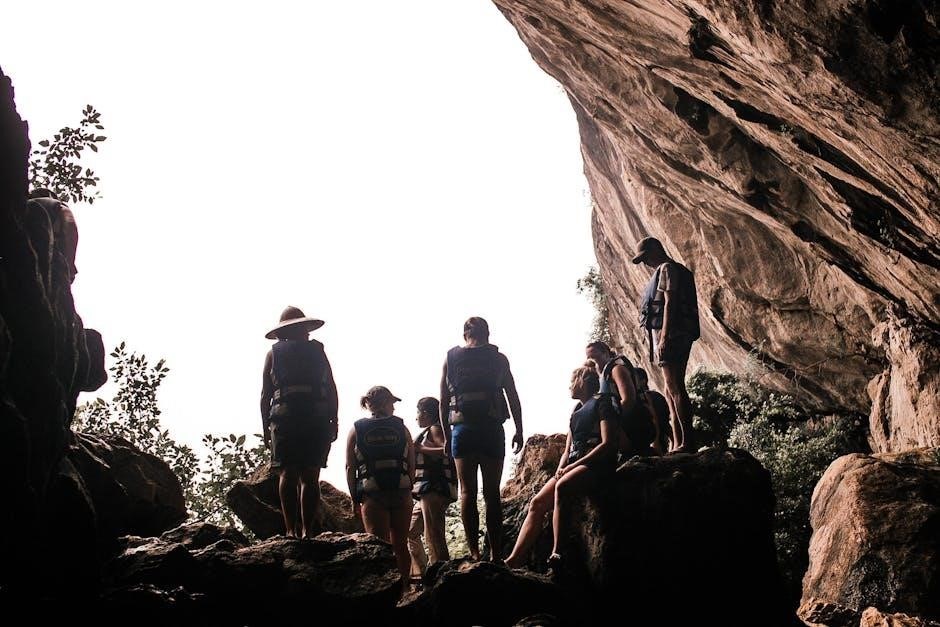
Specific Skills & Experience Required
AMGA Rock Guide candidates must showcase extensive leading experience, including at least ten Grade IV or longer traditional rock routes, with five completed post-course․
Leading Experience ‒ Grade IV Routes
Demonstrating substantial leading experience on challenging terrain is paramount for AMGA Rock Guide aspirants․ Specifically, candidates are required to have logged a minimum of ten completed Grade IV or longer traditional rock routes․ This isn’t merely about completion; the AMGA seeks evidence of proficient leadership skills and sound decision-making in complex climbing environments․
Crucially, at least five of these demanding climbs must have been successfully led or shared-led after the completion of the candidate’s Rock Guide Course․ This post-course requirement ensures that the applicant has actively applied and refined the skills learned during formal training in real-world scenarios․ The AMGA emphasizes that this experience isn’t simply about ticking off routes, but about demonstrating consistent competence and responsible climbing practices․
Rescue Skills Proficiency
Exceptional rescue skills are non-negotiable for AMGA Rock Guides, reflecting the inherent risks associated with the profession․ Candidates must demonstrate mastery of a comprehensive range of techniques, encompassing both self-rescue and client rescue scenarios․ This includes proficiency in rope systems for ascending and descending, anchor building for rescue purposes, and improvised rescue techniques utilizing available gear․
Furthermore, the AMGA assesses the ability to effectively manage and coordinate rescue efforts, including communication with external resources like search and rescue teams․ Practical application of these skills is rigorously evaluated during the Rock Guide Exam (RGE), ensuring candidates can confidently and competently respond to emergencies․ A strong understanding of wilderness first aid and patient care is also essential, complementing the technical rescue skillset․

Costs and Time Commitment
Becoming an AMGA Rock Guide requires a significant investment, encompassing course fees, travel, gear, and personal time – potentially 26 to 39 days!
Financial Investment Breakdown
The financial commitment to AMGA Rock Guide certification is substantial, varying based on course selection and location․ Expect to invest approximately $3,500 ─ $5,000 for each core course – the Rock Instructor Course (RIC), Rock Guide Course (RGC), and Advanced Rock Guide Course (ARGC)․
The Rock Guide Exam (RGE) itself carries a fee around $1,200․ Beyond course tuition, factor in travel expenses (transportation, lodging, meals) which can easily add $1,000 ‒ $3,000+ depending on distance․ Personal climbing gear, if needing upgrades, could cost another $500 ─ $2,000․
Don’t forget potential costs for pre-courses or refresher workshops to meet prerequisites․ A realistic total investment, including all components, ranges from $9,200 to upwards of $11,200, making careful budgeting essential for aspiring guides․
Total Time to Certification (Minimum & Maximum)
The timeline for achieving AMGA Rock Guide certification is highly variable, dependent on prior experience, course availability, and individual progress․ A streamlined path, with immediate course access and successful completion of each stage, could take a minimum of 26 days of formal training – encompassing the RIC, RGC, ARGC, and RGE․
However, realistically, most candidates require more time․ Building sufficient leading experience, particularly on Grade IV routes, often adds several months or even years․ Retaking courses or exams is also possible, extending the process․
A more typical timeframe ranges from 39 days of formal training, plus significant personal climbing and preparation time, potentially spanning 2-5 years from initial interest to full certification․ Patience and dedication are crucial․

Benefits of Becoming an AMGA Rock Guide
AMGA certification unlocks professional recognition, increased employment opportunities, and enhanced credibility within the climbing industry, often being a requirement for guiding positions․
Professional Recognition and Credibility
Achieving AMGA certification signifies a commitment to the highest standards of guiding professionalism, instantly elevating a guide’s reputation within the climbing community and beyond․ This rigorous process, involving extensive training and evaluation, demonstrates a mastery of technical skills, client management, and safety protocols․
The AMGA is the U․S․ pathway to the esteemed International Federation of Mountain Guides Associations (IFMGA) certification, globally recognized as the gold standard for mountain guides․ Holding an AMGA credential assures clients they are engaging a highly qualified and experienced professional․
Furthermore, many climbing areas and organizations across the U․S; specifically require guides to possess AMGA certification, making it a crucial credential for career advancement and access to prime guiding locations․ It’s a clear indicator of dedication and expertise․
Increased Employment Opportunities
AMGA certification dramatically expands employment prospects for aspiring rock guides․ Many reputable guiding services and outdoor education programs actively seek, and often require, guides holding this credential․ This demand stems from the assurance of competence and adherence to industry best practices that AMGA certification provides․
Beyond traditional guiding roles, certified guides find opportunities in instructional settings, leading climbing clinics, and working with outdoor adventure companies․ The certification opens doors to positions at popular climbing destinations across the United States, where client safety and guide qualifications are paramount․
The enhanced credibility and professional standing associated with AMGA certification also enable guides to command higher rates and attract a wider clientele, ultimately leading to increased earning potential and a more sustainable career path within the climbing industry․
Resources and Further Information
Explore the AMGA official website for detailed course information, provider listings, and certification requirements; it’s the central hub for all things AMGA!
AMGA Official Website
The AMGA’s website (amga․com) serves as the definitive resource for aspiring and current rock guides․ It comprehensively details the entire certification pathway, from the initial Rock Instructor Course (RIC) through the Advanced Rock Guide Course (ARGC) and culminating in the rigorous Rock Guide Exam (RGE)․
Prospective candidates can find detailed course descriptions, schedules, and provider locations across the United States․ The site also features crucial information regarding prerequisites, including required leading experience on Grade IV routes and essential rescue skills proficiency․
Furthermore, the AMGA website provides access to important documents like certification standards, application forms, and continuing education requirements necessary for maintaining active certification․ It’s a dynamic platform constantly updated with the latest news, events, and resources for the guiding community․
Finding AMGA Courses and Providers
Locating AMGA-approved courses and providers is facilitated through the official AMGA website (amga․com), which hosts a searchable directory․ This directory allows prospective candidates to filter by discipline – rock, alpine, or ski – and location, pinpointing courses offered near them․
Several reputable guiding services and outdoor education organizations partner with the AMGA to deliver these courses․ Equinox Guiding Service, for example, has recently hosted an AMGA Rock Guide Course in Camden, Maine, demonstrating a growing network of providers․
It’s crucial to verify that any chosen provider is officially recognized by the AMGA to ensure the course meets the stringent standards required for certification․ Thorough research and direct contact with providers are recommended to confirm course content, schedules, and instructor qualifications․
No Responses