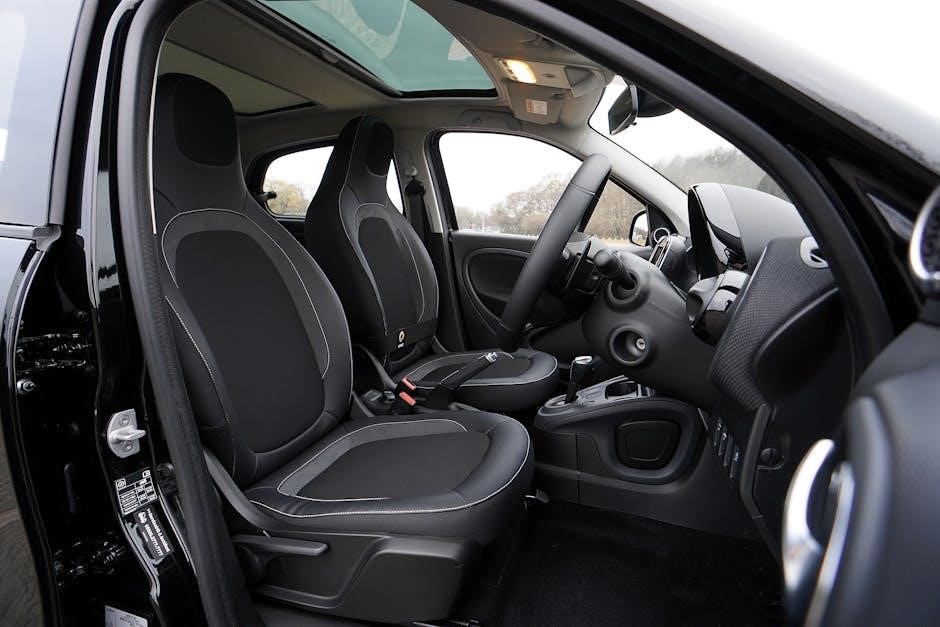
Automotive body control modules (BCMs) are integral to all modern vehicles, managing essential comfort, security, and lighting features (Fig. 1). These modules have undergone rapid evolution, driven by increasing vehicle complexity and demand for enhanced functionality.
What is a Body Control Module?
The body control module (BCM) functions as a processor-based power distribution center within a vehicle. It diligently supervises and controls numerous functions directly related to the car’s body, encompassing critical systems like interior and exterior lighting, power windows, and door locks. Beyond these convenience features, the BCM plays a vital role in vehicle security, integrating seamlessly with the immobilizer and alarm systems.
Essentially, the BCM consolidates control of many previously discrete functions into a single, centralized unit. This centralization streamlines wiring harnesses, reduces complexity, and enhances overall system reliability. It’s responsible not only for controlling loads but also for monitoring their status and responding to driver inputs and vehicle conditions, making it a cornerstone of modern automotive electronics.
Evolution of BCM Technology
Initially, automotive body functions were managed by a distributed network of relays and individual control units. However, as vehicle complexity increased, the need for a centralized control system became apparent. This led to the emergence of the first body control modules, consolidating several functions into a single electronic control unit (ECU).
Over the years, BCM technology has advanced significantly, driven by the demand for greater integration, enhanced features, and improved reliability. Early BCMs handled basic functions, but modern BCMs now incorporate sophisticated features like remote keyless entry, passive keyless entry, and automatic headlight control. The integration of more powerful microcontrollers and advanced communication protocols, such as CAN and LIN bus systems, has been pivotal in this evolution, enabling more complex and interconnected vehicle systems.
Importance of BCMs in Modern Vehicles
The body control module (BCM) serves as a central processor-based power distribution center, critically supervising and controlling functions related to the vehicle’s body. This includes managing lights, windows, security systems, and door locks – all contributing to driver and passenger comfort and safety.
Modern vehicles rely heavily on BCMs for seamless operation of convenience features. Beyond basic control, the BCM enhances vehicle security through immobilizer and alarm system integration. Its role extends to coordinating complex systems, ensuring efficient power distribution and reliable operation of various electrical components. Without a functioning BCM, numerous essential vehicle functions would be compromised, highlighting its indispensable role in contemporary automotive design and functionality.
Core Functions of a BCM
Body control modules expertly manage lighting, power windows/door locks, security systems, and wiper/washer operations, orchestrating essential vehicle functions for convenience and safety.
Lighting Control (Headlights, Taillights, Interior Lights)
The BCM’s role in lighting control is fundamental, overseeing headlights, taillights, and all interior illumination. Traditionally, BCMs utilized high-side switches, like the NOVOSENSE NSE34/NSE35 families, to drive resistive, inductive, and halogen lamp loads. Modern systems increasingly incorporate LED lighting, demanding more sophisticated control strategies.
The BCM manages automatic headlight activation, dimming functions, and signal sequencing. It responds to sensor inputs – like ambient light and vehicle speed – to optimize visibility and energy efficiency. Furthermore, the module handles fault detection within the lighting system, alerting the driver to bulb failures or circuit issues. Precise control ensures compliance with safety regulations and enhances driver convenience, making it a critical BCM function.
Power Window and Door Lock Management
The BCM centrally manages power windows and door locking systems, coordinating operation and enhancing security. It receives inputs from various switches – driver controls, passenger switches, and remote keyless entry systems – and translates these into commands for the window motors and door lock actuators.
Modern BCMs often incorporate anti-pinch protection for power windows, preventing injury by halting or reversing window movement upon detecting an obstruction. Door lock functionality extends beyond simple locking/unlocking, including central locking, auto-lock features, and integration with the vehicle’s security system. The BCM ensures synchronized operation across all doors and provides diagnostic capabilities to identify faults within these systems, contributing to overall vehicle convenience and safety.
Security System Integration (Immobilizer, Alarm)
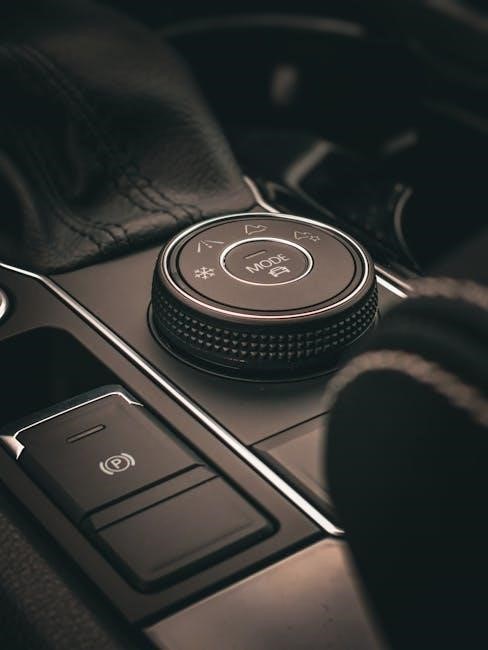
The BCM plays a crucial role in vehicle security, integrating with both the immobilizer and alarm systems. It verifies key authentication signals, preventing unauthorized engine starting via the immobilizer function. Upon detecting a security breach – forced entry, tampering – the BCM activates the alarm, triggering audible warnings and potentially notifying the vehicle owner.
Modern BCMs often manage remote keyless entry (RKE) systems, allowing drivers to lock/unlock doors and activate the alarm from a distance. Sophisticated systems incorporate rolling codes to prevent replay attacks. The BCM’s central role in security allows for coordinated responses to threats, enhancing vehicle protection and providing peace of mind to owners. Diagnostic capabilities also aid in identifying and resolving security system faults.
Wiper and Washer System Control
The Body Control Module (BCM) efficiently manages the vehicle’s wiper and washer systems, moving beyond simple on/off functionality. It controls wiper speed based on driver selection or, in advanced systems, automatically adjusts speed based on rainfall detected by sensors. The BCM also governs washer fluid dispensing, often with timed or pulsed activation to optimize usage;
Integration with other vehicle systems allows for features like automatic wiper activation when reversing or during heavy rain. Diagnostic capabilities within the BCM monitor wiper motor operation and washer pump functionality, identifying potential failures. This centralized control enhances convenience, improves visibility, and contributes to overall driving safety. The BCM ensures reliable operation of these essential systems.

BCM Components and Architecture
BCMs utilize a microcontroller (like Renesas RH850/F1K), high-side switches (NOVOSENSE NSE34/NSE35), power distribution relays, and communication interfaces (CAN, LIN) for robust operation.
Microcontroller Unit (MCU) – Renesas RH850/F1K Series
The Renesas RH850/F1K series represents a high-end automotive microcontroller specifically designed for electrical body applications within vehicles. As a core component of the BCM, this MCU provides the processing power necessary to manage diverse functions, including lighting, door locks, and security systems. These devices are part of the broader RH850/F1x series, known for their reliability and performance in demanding automotive environments.
Featuring advanced capabilities, the RH850/F1K facilitates complex control algorithms and communication protocols. Its architecture supports efficient data processing and real-time responsiveness, crucial for safety-critical applications. Currently available through distributors like Mouser, the RH850/F1K series empowers BCMs to deliver enhanced functionality and contribute to overall vehicle safety and convenience. The MCU’s robust design ensures long-term operational stability.
High-Side Switches – NOVOSENSE NSE34/NSE35 Families
NOVOSENSE MICROELECTRONICS offers the NSE34 and NSE35 families of high-side switches, critical components within automotive body control modules (BCMs). These switches are specifically engineered for driving traditional automotive loads, including resistive, inductive, and halogen lamps. Their robust design ensures reliable operation under harsh automotive conditions, providing protection against overcurrent and overvoltage events.
The NSE34/NSE35 families excel in applications requiring precise control of power distribution to various vehicle systems. They contribute to improved energy efficiency and enhanced safety features within the BCM. By effectively managing power delivery, these switches help optimize system performance and extend the lifespan of connected components. Their integration simplifies circuit design and reduces overall system complexity, making them a preferred choice for automotive manufacturers.

Power Distribution and Relays
Within the Body Control Module (BCM), efficient power distribution is paramount, and this is achieved through a combination of sophisticated circuitry and strategically placed relays. The BCM functions as a processor-based power distribution center, meticulously supervising and controlling functions related to the vehicle’s body – encompassing lighting, windows, security systems, and door locks.
Relays play a crucial role in managing higher current loads, protecting the BCM’s sensitive electronic components. They act as electrically operated switches, allowing a low-current signal from the BCM to control a separate, higher-current circuit. This separation enhances reliability and prevents damage. The BCM intelligently manages these relays, optimizing power usage and ensuring the smooth operation of various vehicle features, contributing to overall system efficiency and safety.
Communication Interfaces (CAN, LIN)
The Body Control Module (BCM) doesn’t operate in isolation; it’s a key node within the vehicle’s network, relying heavily on robust communication interfaces. Two primary protocols facilitate this communication: CAN (Controller Area Network) and LIN (Local Interconnect Network). CAN bus communication serves as the backbone, enabling high-speed data exchange between critical modules like the engine control unit (ECU) and the BCM, handling essential functions and safety-related data.
LIN bus communication, on the other hand, is typically used for less critical functions, offering a cost-effective solution for components like window lifts or door locks. The BCM expertly manages data flow across both networks, ensuring seamless integration and coordinated operation of various vehicle systems. This interconnectedness is fundamental to modern vehicle functionality and advanced driver-assistance systems.

Communication Protocols Used by BCMs
Body Control Modules utilize CAN and LIN bus systems for vehicle-wide communication, enabling data exchange between modules and coordinating functions like security and lighting.
CAN Bus Communication
CAN (Controller Area Network) bus communication is a robust and widely adopted standard within automotive networks, serving as a primary communication backbone for the BCM. It allows for real-time data transmission between various electronic control units (ECUs), including the BCM, engine control module (ECM), and transmission control module (TCM).
The BCM leverages CAN bus to receive requests and send status updates regarding functions it controls, such as lighting, door locks, and security systems. Its prioritized message-based protocol ensures critical data, like safety-related signals, are transmitted reliably. This architecture minimizes wiring complexity and enhances system efficiency. Diagnostic communication, utilizing CAN, also enables technicians to access BCM data via OBD-II ports for troubleshooting and repair.
LIN Bus Communication
LIN (Local Interconnect Network) bus communication provides a cost-effective and simpler alternative to CAN, often utilized for less critical functions within the vehicle’s network, interfacing with the BCM. It’s commonly employed for controlling components like power windows, rain sensors, and steering wheel controls, where high-speed data transmission isn’t essential.
The BCM acts as a gateway between the LIN bus and the more robust CAN bus, translating data and managing communication. LIN’s single-master/multiple-slave architecture reduces hardware costs and complexity. While slower than CAN, LIN is sufficient for managing these peripheral functions effectively. This tiered communication approach optimizes system performance and cost, allowing the BCM to efficiently oversee a broad range of vehicle features.
Diagnostic Communication (OBD-II)
On-Board Diagnostics II (OBD-II) is a standardized system for vehicle self-diagnostics, and the BCM actively participates in this process. Through the OBD-II port, technicians can access a wealth of information regarding the BCM’s operational status, including stored Diagnostic Trouble Codes (DTCs) that indicate malfunctions or anomalies.
The BCM communicates these DTCs, along with associated freeze frame data (snapshot of conditions when the fault occurred), allowing for precise troubleshooting. Standardized protocols within OBD-II ensure compatibility across various manufacturers. This diagnostic capability is crucial for identifying and resolving issues related to lighting, security, power windows, and other BCM-controlled functions, ultimately ensuring vehicle safety and reliability. Accessing this data is vital for effective repair procedures.
BCM Diagnostics and Troubleshooting
Effective diagnosis requires recognizing common failure symptoms, utilizing specialized diagnostic tools, and accurately interpreting Diagnostic Trouble Codes (DTCs) to pinpoint BCM issues.
Common BCM Failure Symptoms
Identifying BCM failures often begins with seemingly unrelated electrical issues. Frequent occurrences include erratic behavior of lights – headlights flickering, interior lights failing to operate, or turn signals malfunctioning. Power windows and door locks may become unresponsive, or operate intermittently, presenting a significant inconvenience.
Security systems can exhibit false alarms, or fail to arm/disarm correctly, indicating a potential BCM problem. The wiper and washer system might operate erratically, or not at all. In some cases, a completely dead BCM can cause a cascade of electrical failures, leaving the vehicle undrivable.
These symptoms don’t always definitively point to the BCM, but they serve as crucial indicators requiring further diagnostic investigation. A thorough scan for DTCs is essential to confirm the source of the problem.
Diagnostic Tools and Procedures
Diagnosing BCM issues requires specialized tools and a systematic approach. A high-quality scan tool capable of reading manufacturer-specific diagnostic trouble codes (DTCs) is paramount. Multimeters are essential for verifying power and ground connections to the BCM, and for testing individual circuits.
Oscilloscopes can be invaluable for analyzing communication signals on the CAN and LIN buses, identifying data corruption or signal loss. Visual inspection of the BCM and its wiring harness for damage, corrosion, or loose connections is a crucial first step.
Procedures involve retrieving DTCs, clearing codes, and then observing if they return during operation. Live data streaming allows monitoring of BCM inputs and outputs, helping pinpoint the source of the fault. Always consult the vehicle’s service manual for specific diagnostic procedures.
Reading and Interpreting Diagnostic Trouble Codes (DTCs)
Diagnostic Trouble Codes (DTCs) stored within the BCM provide vital clues to identify malfunctions. Scan tools retrieve these codes, which are typically five-digit hexadecimal numbers. Each code corresponds to a specific fault condition, detailed in the vehicle’s service information.
Understanding DTCs requires recognizing their structure: the first digit indicates the system (Body Control), the second identifies the subsystem, and the remaining digits pinpoint the specific fault. Codes can be current (active fault) or history (intermittent or previously existing).
Interpreting DTCs isn’t always straightforward; a single code may have multiple potential causes. Freeze frame data, captured at the time the code was set, provides valuable context, like engine load and vehicle speed. Always verify the repair by clearing the code and retesting.
Advanced BCM Features
Modern BCMs integrate sophisticated features like remote keyless entry (RKE), passive keyless entry (PKE), and automatic headlight control, enhancing convenience and security for drivers.
Remote Keyless Entry (RKE)
Remote Keyless Entry (RKE) is a prominent feature managed by the Body Control Module (BCM). This system allows drivers to unlock and lock their vehicle doors, and often activate the panic alarm, from a distance using a dedicated key fob. The BCM receives radio frequency signals transmitted by the fob, decrypts them, and then actuates the appropriate door locks and alarm systems.
Security is paramount in RKE systems; the BCM employs rolling codes to prevent replay attacks, where a captured signal is reused to gain unauthorized access. The BCM’s microcontroller handles the complex encryption and decryption processes efficiently. Furthermore, the BCM often integrates RKE functionality with other security features, such as the vehicle’s immobilizer, providing a comprehensive security solution. Modern RKE systems are increasingly sophisticated, offering features like remote start and trunk release, all coordinated by the central BCM.
Passive Keyless Entry (PKE)
Passive Keyless Entry (PKE) represents an advanced evolution of remote entry systems, seamlessly managed by the Body Control Module (BCM). Unlike RKE, PKE eliminates the need for pressing a button on the key fob. The BCM continuously monitors for a valid, authorized key fob within a defined proximity. When detected, the doors automatically unlock, and upon exiting, they lock as the fob moves away.
This convenience relies on sophisticated low-frequency communication between the key fob and the BCM. The BCM verifies the fob’s authenticity and prevents unauthorized access. Security is enhanced through encryption and rolling codes, similar to RKE, but with an added layer of passive authentication. The BCM also manages the system’s power consumption to conserve the vehicle’s battery. PKE often integrates with push-button start systems, offering a truly keyless driving experience, all orchestrated by the BCM.
Automatic Headlight Control
Automatic Headlight Control (AHC) is a convenience feature increasingly managed by the Body Control Module (BCM), enhancing driver safety and reducing reliance on manual operation. The BCM utilizes a light sensor, typically mounted on the dashboard or windshield, to detect ambient light levels. When the sensor determines insufficient light – such as during dusk, dawn, or when entering a tunnel – the BCM automatically activates the headlights.
Conversely, when sufficient light is present, the headlights are automatically switched off. Modern AHC systems can also incorporate rain sensors, activating headlights during rainfall even during daylight hours. The BCM’s programming allows for customization, such as delayed headlight shut-off for added visibility. This feature minimizes driver distraction and ensures optimal illumination, contributing to safer driving conditions, all controlled through the central BCM.

Module-Level Capacitance in Automotive Power Modules
Estimating module-level capacitance is crucial for high-voltage power modules in automotive applications, traditionally requiring complex methods; however, a practical, efficient approach is now proposed.
Importance of Capacitance Estimation
Accurate capacitance estimation within automotive power modules, particularly those integrated into body control modules (BCMs), is paramount for reliable system operation and safety. Understanding capacitance values directly impacts power delivery network (PDN) design, influencing voltage stability and transient response during switching events.
Incorrect capacitance assumptions can lead to voltage droop, impacting the performance of sensitive electronic components within the BCM, potentially causing malfunctions in critical functions like lighting, security, and door locks. Furthermore, precise capacitance knowledge is vital for effective electromagnetic compatibility (EMC) mitigation, minimizing noise and ensuring compliance with automotive standards.
The ability to efficiently estimate capacitance also streamlines the design and validation process, reducing development time and costs. Traditional methods are often time-consuming and require specialized equipment; therefore, a practical estimation technique is highly valuable.
Practical Methods for Capacitance Estimation
This paper proposes a practical method for efficiently estimating module-level capacitance in high-voltage power modules used within automotive BCMs. Traditionally, acquiring this data involved destructive physical testing or complex simulations, both time-consuming and costly. The proposed approach leverages readily available measurement data from standard power module characterization.
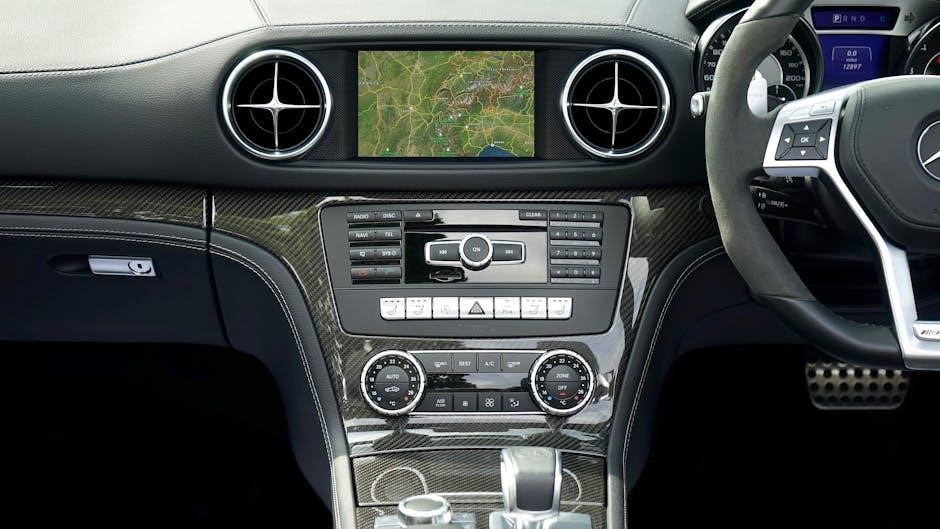
By analyzing transient voltage and current responses during switching events, a non-destructive capacitance estimation can be achieved. This method utilizes curve fitting techniques applied to the measured waveforms, extracting capacitance values without requiring direct component-level measurements. The technique focuses on identifying key characteristics of the transient response that correlate directly with module capacitance.
This streamlined approach significantly reduces the effort required for capacitance determination, accelerating the design and validation cycles for automotive power modules.
High-Voltage Power Module Applications
High-voltage power modules are increasingly prevalent within automotive body control modules (BCMs), driven by the growing adoption of electric and hybrid vehicle architectures. These modules manage power distribution for various functions, including electric motor control, battery charging, and high-power lighting systems.
Accurate capacitance estimation of these modules is crucial for ensuring system stability and reliability. Variations in capacitance can impact switching performance, electromagnetic compatibility (EMC), and overall system efficiency. The proposed capacitance estimation method directly addresses these concerns, providing valuable insights for optimizing module design.
Furthermore, understanding module capacitance is vital for mitigating potential resonance issues and ensuring compliance with stringent automotive safety standards. This is particularly important in high-voltage applications where even small capacitance variations can have significant consequences.
No Responses