
The Ultimate Guide to Rebuilding Civilization: A Comprehensive Plan
Navigating the complexities of a post-collapse world demands foresight and preparation. This guide‚ drawing from resources like “Beyond Collapse‚” offers a roadmap for survival‚
covering everything from initial assessments to long-term community building and sustainable living practices. It’s a detailed exploration of resilience.
Understanding the Pre-Collapse Landscape
Before the disruption‚ a critical evaluation of existing societal structures is paramount. “Beyond Collapse” emphasizes recognizing vulnerabilities within our current systems – economic dependencies‚ energy grids‚ and food supply chains. Understanding these weaknesses allows for proactive mitigation strategies. Consider the potential cascading effects of a single point of failure‚ like a widespread power outage or a financial crisis.
Assess the geopolitical climate‚ noting potential flashpoints and resource conflicts. Analyze local infrastructure: hospitals‚ emergency services‚ and communication networks. Document available resources within your community – skilled individuals‚ stockpiles‚ and potential shelter locations.
This isn’t simply about predicting doom; it’s about informed preparedness. Recognize the psychological factors at play – denial‚ complacency‚ and the tendency to underestimate risk. A clear-eyed assessment of the pre-collapse landscape forms the foundation for effective resilience planning‚ enabling a smoother transition and increased chances of long-term survival.
Assessing Your Current Situation
A realistic self-evaluation is the cornerstone of effective preparation. “Beyond Collapse” stresses the importance of knowing your resources‚ limitations‚ and vulnerabilities. Begin with a thorough inventory of your supplies: food‚ water‚ medical supplies‚ tools‚ and fuel. Evaluate your financial standing and debts‚ considering the potential for economic disruption.

Assess your skills and knowledge base. What can you contribute to a survival situation? Are you proficient in first aid‚ gardening‚ construction‚ or security? Identify skill gaps and prioritize learning. Evaluate your physical and mental health‚ recognizing that stress and hardship will exacerbate existing conditions.
Consider your location. Is it defensible? Does it offer access to water and other essential resources? Analyze potential threats – natural disasters‚ civil unrest‚ or criminal activity. Finally‚ honestly assess your psychological preparedness. Are you mentally resilient enough to cope with prolonged hardship and uncertainty? This honest appraisal is crucial.
Bugging In vs. Bugging Out: Initial Decisions
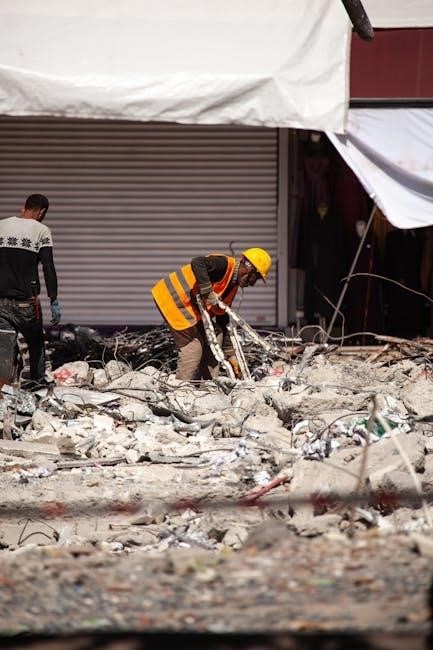
The choice between sheltering in place (“bugging in”) and evacuating (“bugging out”) is paramount. “Beyond Collapse” dedicates significant attention to this critical decision. Bugging in offers the advantage of familiarity and existing resources‚ but relies on your location’s security and sustainability. It’s best suited if you have a well-stocked‚ defensible home in a relatively safe area.
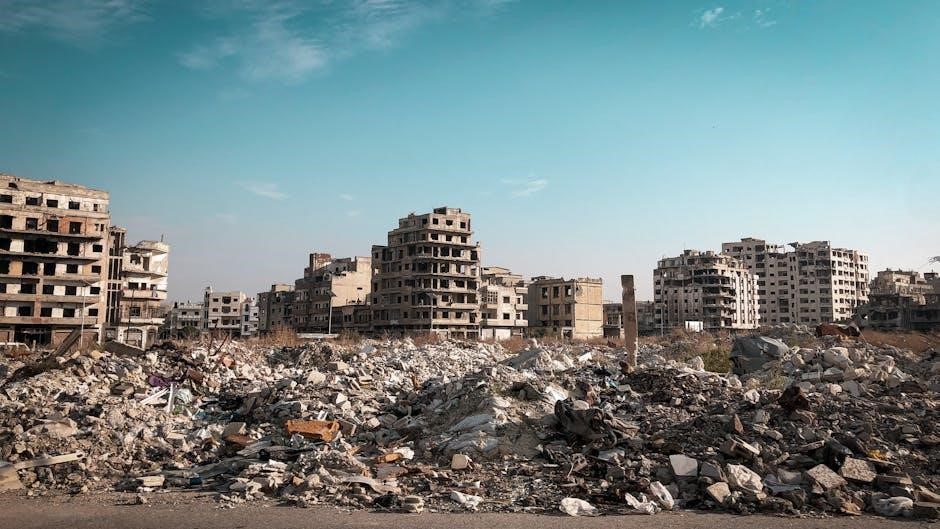
Bugging out‚ conversely‚ involves relocating to a pre-determined safe haven. This is necessary if your current location is vulnerable or unsustainable. However‚ it carries risks: exposure to danger during travel‚ potential lack of supplies‚ and the challenges of integrating into a new community.
Carefully weigh the pros and cons of each option based on your specific circumstances. Develop a detailed bug-out plan‚ including routes‚ destinations‚ and communication strategies. Prepare a “bug-out bag” with essential supplies. Remember‚ the decision isn’t always binary; a phased approach – initially bugging in‚ then bugging out if necessary – may be optimal.
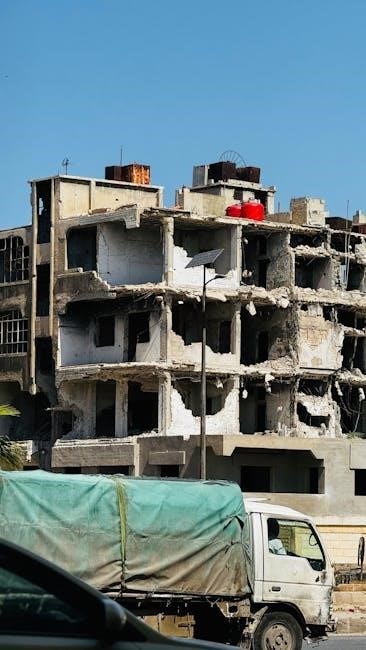
Refugee Preparation and Considerations
The influx of refugees following a collapse is almost inevitable‚ as detailed in “Beyond Collapse.” Preparing for this eventuality is crucial‚ both for your security and for humanitarian reasons. Understand that refugees will be desperate‚ potentially leading to conflict over scarce resources. Avoid viewing them solely as a threat; many will be genuinely seeking help.
Establish clear boundaries and security protocols. Assess your capacity to provide assistance – food‚ shelter‚ medical care – without compromising your own survival. Consider forming a community defense plan to manage potential unrest.
Pre-planning refugee protocols is vital. Designate a screening area‚ establish rules of conduct‚ and prepare for potential medical emergencies. Stockpile extra supplies specifically for aid distribution. Remember‚ a compassionate yet firm approach is essential. Ignoring the issue won’t make it disappear; proactive preparation is key to mitigating risks and fostering a more stable post-collapse environment.
Maintaining Discretion and Security
In a post-collapse scenario‚ attracting unwanted attention can be catastrophic‚ as emphasized within “Beyond Collapse.” Maintaining a low profile is paramount. Avoid displays of wealth or abundance that might incite envy or theft. Limit communication with the outside world‚ as any signal could reveal your location and resources.
Implement robust security measures for your home and community. This includes physical barriers‚ early warning systems‚ and a well-defined defense plan. Practice operational security (OPSEC) – be mindful of what you say‚ who you say it to‚ and what information you reveal.
Develop a network of trusted individuals for mutual support and vigilance. Regularly assess and improve your security protocols. Remember‚ discretion isn’t about paranoia; it’s about proactive risk management. A quiet‚ prepared existence is far more likely to endure than one marked by ostentation and vulnerability. Prioritize blending in and minimizing your footprint.
Essential Stockpiling: What You Need
“Beyond Collapse” underscores the critical importance of proactive stockpiling for post-collapse survival. Prioritize non-perishable food items – grains‚ legumes‚ canned goods – sufficient for an extended period. Water purification supplies are equally vital‚ alongside a substantial water reserve. Medical supplies‚ including first-aid kits‚ antibiotics‚ and essential medications‚ are non-negotiable.
Beyond consumables‚ stockpile tools for repair‚ construction‚ and agriculture. Consider fuel sources (wood‚ propane)‚ lighting (solar‚ oil lamps)‚ and communication devices (hand-crank radios). Don’t overlook hygiene products‚ sanitation supplies‚ and personal protective equipment.
Barter items – ammunition‚ alcohol‚ tobacco – can facilitate trade. A comprehensive inventory and rotation system are crucial to prevent spoilage and ensure preparedness. Remember‚ stockpiling isn’t about hoarding; it’s about self-reliance and the ability to sustain yourself and your community through prolonged disruption.
Leveraging Existing Knowledge and Skills
“Beyond Collapse” emphasizes that pre-existing skills are invaluable assets in a post-collapse scenario. Identify and refine your capabilities – medical training‚ mechanical expertise‚ agricultural knowledge‚ construction skills‚ or even teaching experience. These talents become currency when conventional systems fail.
Equally important is the willingness to learn. Seek out individuals possessing complementary skills and engage in knowledge sharing. Basic chemistry knowledge (household chemistry‚ as the text notes) can be surprisingly useful for sanitation and resourcefulness. Civil engineering principles‚ even rudimentary ones‚ aid in infrastructure repair.
Don’t underestimate the value of “soft skills” – leadership‚ conflict resolution‚ communication. The ability to educate others (education for young and old) ensures the transmission of vital knowledge to future generations. A community’s resilience hinges on the collective skillset of its members.
Building Community Networks
“Beyond Collapse” stresses the critical importance of establishing robust community networks before a collapse event. Re-engage with neighbors – truly get to know them (Getting To Know Your Neighbors‚ Again). Identify individuals with useful skills and begin fostering relationships based on mutual respect and potential collaboration.
These networks aren’t solely about practical assistance; they provide emotional support and a sense of collective security. Discuss shared concerns‚ brainstorm solutions‚ and establish lines of communication. Consider forming informal mutual aid groups to pool resources and skills.

However‚ proceed cautiously. Initial trust establishment (Establishing Initial Trust) is paramount. Observe‚ listen‚ and gradually build rapport. Avoid revealing too much information too soon. A strong‚ well-connected community is a cornerstone of post-collapse resilience‚ offering shared defense‚ resourcefulness‚ and hope.
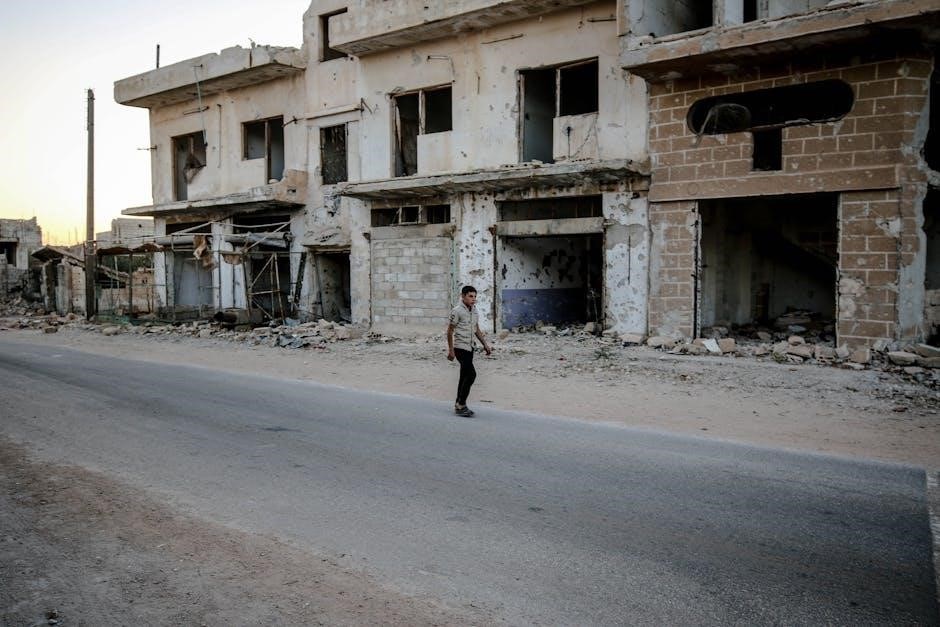
Initial Trust Establishment
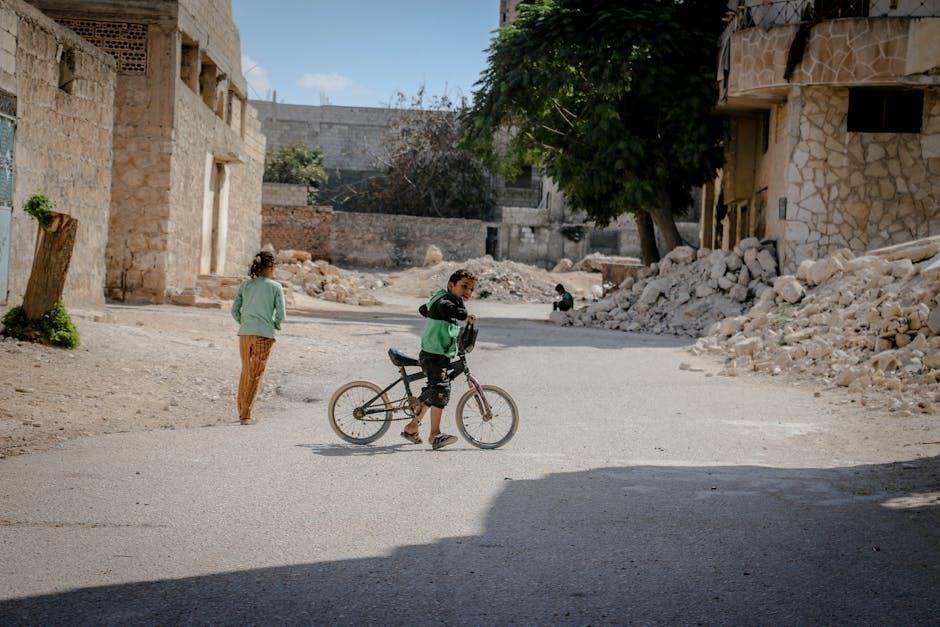
Establishing trust within a nascent community is a delicate process‚ as highlighted in “Beyond Collapse.” Avoid immediate declarations of shared ideology or grand plans. Instead‚ focus on small‚ consistent acts of kindness and reliability. Offer assistance without expectation of return‚ demonstrating genuine goodwill.
Active listening is crucial. Understand your neighbors’ concerns‚ skills‚ and perspectives. Share information cautiously‚ revealing only what is necessary to build rapport. Observe their actions and assess their character over time. Look for patterns of honesty‚ integrity‚ and helpfulness.
Shared experiences‚ like collaborative projects or community clean-ups‚ can accelerate trust-building. However‚ be mindful of security (How Will you Keep It Quiet?). Avoid discussing sensitive information in public spaces. Remember‚ vetting potential allies is an ongoing process‚ essential for long-term community survival.
Scavenging and Resource Procurement
“Beyond Collapse” emphasizes that scavenging will be a necessity in the initial post-collapse phase. Prioritize safety; always scout locations for potential hazards before entering. Work in teams‚ establishing clear communication protocols and designated roles. Focus on essential resources: food‚ water‚ medical supplies‚ tools‚ and fuel.
Systematically search abandoned buildings‚ vehicles‚ and storage facilities. Document your findings to avoid redundant efforts. Be mindful of potential contamination and practice proper sanitation. Develop a barter system (Barter And Markets) to exchange surplus resources with other groups.
Resourcefulness is key. Learn to repurpose materials and repair broken items. Identify local sources of renewable resources‚ such as wood‚ plants‚ and water. Remember‚ scavenging isn’t simply about taking; it’s about responsibly reclaiming what’s been left behind to rebuild a sustainable future.
Securing Your Home and Community
“Beyond Collapse” stresses the critical importance of establishing a secure perimeter. Begin by reinforcing your home against intrusion – boarding windows‚ strengthening doors‚ and creating defensible positions. Implement early warning systems‚ such as tripwires or strategically placed noisemakers. Consider natural barriers and chokepoints.
Extend security measures to encompass your community. Establish a neighborhood watch program‚ coordinating patrols and communication. Develop a clear understanding of potential threats‚ including criminals (Anatomy Of Post-Collapse Criminals) and desperate refugees. Implement access control measures‚ carefully vetting newcomers.
Defense And Use Of Force is a last resort‚ but preparedness is vital. Establish clear rules of engagement and ensure all community members understand them. Remember‚ security isn’t just about physical defenses; it’s about fostering trust‚ cooperation‚ and a shared commitment to safety within your group.
Post-Collapse Healthcare and Healing
The collapse of modern infrastructure will severely limit access to conventional medical care. “Beyond Collapse” highlights the necessity of developing self-sufficiency in healthcare. Prioritize preventative medicine – sanitation‚ hygiene‚ and a nutritious diet are paramount. Stockpile essential medical supplies: antibiotics‚ antiseptics‚ bandages‚ and pain relievers.
Cultivate knowledge of herbal remedies and traditional healing practices. Identify individuals within your community with medical experience‚ even if limited. Establish a basic clinic or infirmary‚ equipped to handle common injuries and illnesses. Learn wound care‚ fracture setting‚ and basic surgical techniques.
Health And Healing will be a continuous challenge. Be prepared to improvise and adapt. Understanding basic anatomy and physiology is crucial. Mental health is equally important; address trauma and stress within your community to maintain overall well-being.
Addressing Threats: Criminals and Refugees
A post-collapse environment will inevitably attract individuals seeking to exploit the chaos. “Beyond Collapse” addresses the dual threat of opportunistic criminals and desperate refugees. Understand the motivations of both groups. Criminals will prey on weakness‚ seeking resources and control. Refugees‚ driven by necessity‚ may pose a strain on limited supplies.
Establish robust security measures – perimeter defenses‚ watch rotations‚ and clear rules of engagement. However‚ avoid a purely hostile stance towards refugees. Implement a vetting process to identify genuine needs and potential threats. Offer assistance‚ but maintain vigilance.
Zombies And Refugees are both potential dangers. The anatomy of post-collapse criminals often involves desperation and a lack of moral constraints. Prioritize de-escalation and negotiation whenever possible‚ but be prepared to defend your community. Clear communication and a unified front are essential for deterring aggression.
Food Security and Sustainable Agriculture
Long-term survival hinges on establishing a reliable food supply. “Beyond Collapse” emphasizes that “Food‚ Food‚ And More Food” is paramount. Initial stockpiles are crucial‚ but unsustainable. Transition to sustainable agriculture as quickly as possible. Prioritize crops that are calorie-dense‚ easy to store‚ and adaptable to your local climate.
Implement diverse farming techniques – gardening‚ small-scale livestock raising‚ and foraging. Seed saving is vital for maintaining genetic diversity and ensuring future harvests. Water management will be critical; explore rainwater harvesting and efficient irrigation methods.
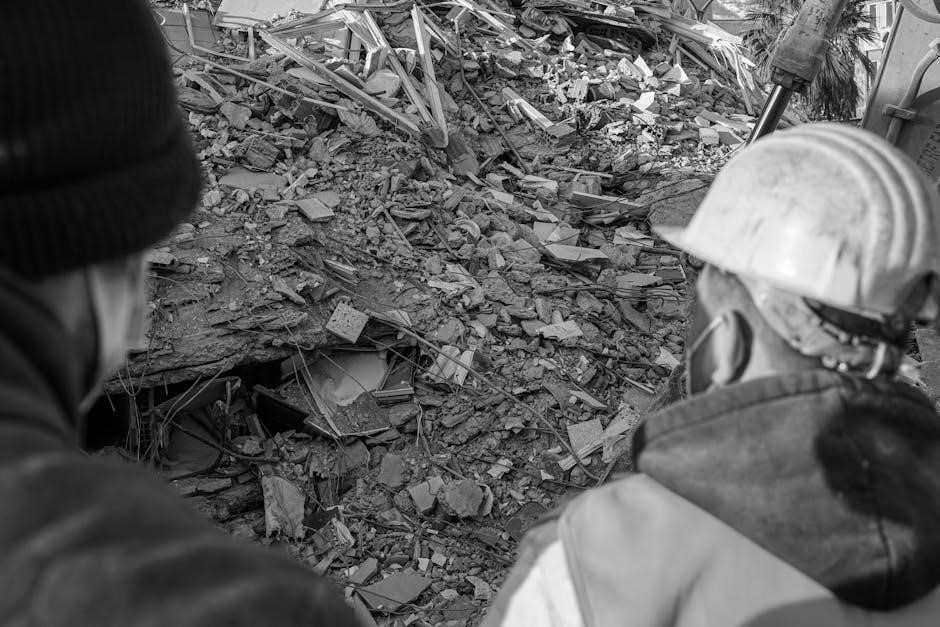
So‚ Whats For Dinner? will become a daily concern. Barter systems will likely emerge‚ with food as a primary medium of exchange. Knowledge of food preservation techniques – canning‚ drying‚ fermentation – will be invaluable. A community-based approach to food production will maximize efficiency and resilience.
Governance‚ Leadership‚ and Civil Duties
Rebuilding isn’t solely about survival; it’s about establishing a functioning society. “Beyond Collapse” dedicates significant attention to “Governance And Leadership‚” recognizing its necessity. Initial leadership will likely emerge organically‚ based on skills and trustworthiness. Establishing clear rules and dispute resolution mechanisms is crucial to prevent chaos.
Civil duties‚ as outlined in the text‚ will shift from traditional civic engagement to essential community tasks – defense‚ food production‚ healthcare. A fair and equitable system for resource allocation is vital. The book also touches upon “Government‚” suggesting a need for adaptable structures.
Internal Strife is a significant threat. Effective leadership must balance individual freedoms with collective security. Transparency and accountability are paramount to maintain trust. Consider the long-term implications of decisions‚ aiming for sustainable and just governance. The goal is not simply to restore the old order‚ but to build something better.
No Responses