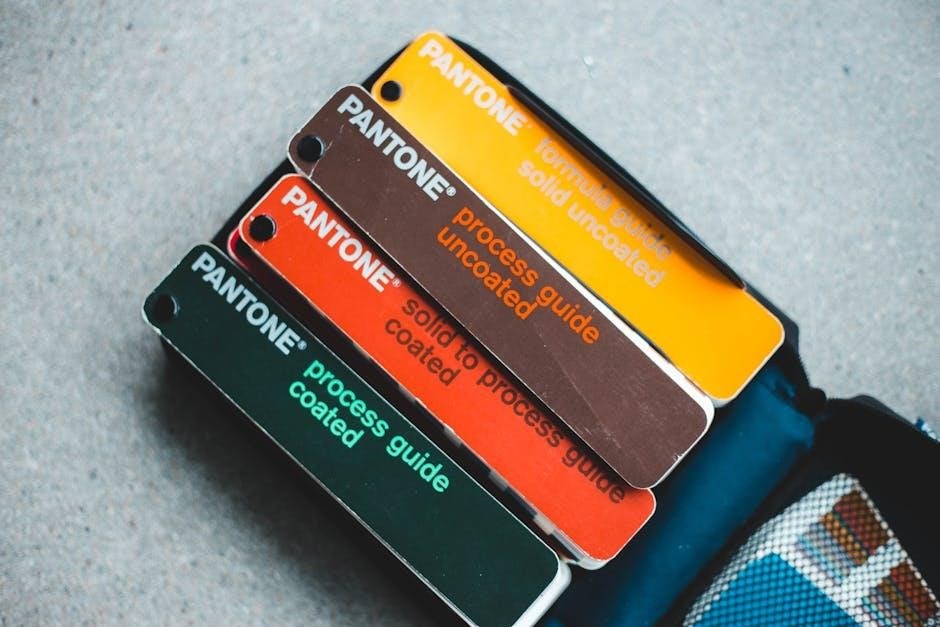
Suit Colour Guide: A Comprehensive Overview
Understanding the profound impact of suit colours is crucial, as they powerfully convey style, personality, and intention, significantly influencing first impressions in both personal and professional realms.
Colour psychology reveals that shades can alter moods and decisions, making strategic colour choices essential for projecting competence, authority, or creativity effectively.
Navigating the nuances of suit colour psychology empowers individuals to harness the subtle language of attire, ensuring their wardrobe aligns with desired perceptions and goals.
Understanding the Psychology of Suit Colours
Colour psychology is a fascinating field, deeply impacting how we perceive and react to the world around us, and menswear is no exception. It studies the effects of colours on human emotions and behaviour, revealing that colours can genuinely change our moods and even influence our decisions.
When it comes to suits, the colour you choose isn’t merely aesthetic; it’s a powerful form of non-verbal communication. The colour of a suit conveys style, personality, mood, and intention, thus impacting first impressions in both personal and professional settings. This understanding is vital for making strategic wardrobe choices.
Different hues evoke different associations. For example, while white can suggest openness and optimism, too much can be perceived as isolating. Similarly, shades like green exude elegance and balance, fostering a sense of calm and composure. Recognizing these psychological cues allows you to intentionally shape how others perceive you, leveraging colour to achieve your desired impact.
The Impact of Colour on First Impressions
First impressions are undeniably crucial, and clothing colour plays a surprisingly significant role in shaping them. Within seconds of meeting someone, subconscious judgements are formed, heavily influenced by visual cues – and colour is a dominant one. The colours we wear can reveal a lot about who we are and what we want to convey, acting as a silent messenger.
A carefully chosen suit colour can instantly project competence, authority, or creativity. For instance, opting for a navy or grey suit can establish trust and sophistication, while bolder choices like burgundy might signal confidence and a creative flair.
Understanding how colours shape perception is key. A suit isn’t just fabric; it’s a tool for influencing how others see you. By strategically selecting suit colours, you can proactively manage the narrative and ensure you’re presenting the desired image, maximizing your impact in any situation.
Core Suit Colours and Their Meanings
Classic suit colours—navy, grey, and black—form the foundation of a versatile wardrobe, each possessing distinct psychological associations that influence perception and convey specific messages.
These foundational hues offer a spectrum of impressions, ranging from trustworthiness and neutrality to power and formality, impacting professional and social interactions.
Navy Blue Suits: Trust and Authority


Navy blue is widely considered a cornerstone of professional attire, consistently projecting an image of trustworthiness, confidence, and authority. It’s a remarkably versatile shade, offering a softer alternative to the starkness of black, making it suitable for a broader range of occasions.
The psychological impact of navy blue is deeply rooted in its associations with stability, reliability, and intelligence. This makes it an excellent choice for business meetings, interviews, and any situation where establishing credibility is paramount. It subtly communicates competence without appearing overly aggressive or intimidating.
Unlike bolder colours, navy blue doesn’t demand immediate attention, allowing the wearer’s personality and skills to take centre stage. It’s a colour that inspires confidence in others, fostering a sense of calm and reassurance. This makes it particularly effective in negotiations and client-facing roles. Choosing navy demonstrates respect for the occasion and a commitment to professionalism.
Furthermore, navy complements a wide variety of skin tones and shirt colours, enhancing its practicality and making it a staple in any well-curated wardrobe. It’s a colour that consistently delivers a polished and sophisticated impression.
Grey Suits: Neutrality and Sophistication
Grey suits embody a refined sense of neutrality and understated sophistication, offering a versatile alternative to bolder colour choices. Ranging from light charcoal to dark slate, grey presents a spectrum of options suitable for diverse settings and personal styles. It’s a colour that conveys intelligence and practicality without being overly assertive.
Psychologically, grey is associated with balance, composure, and independence. This makes it an excellent choice for individuals seeking to project an image of level-headedness and reliability. It’s a colour that doesn’t distract, allowing the wearer’s skills and expertise to shine through.
Grey’s neutrality also makes it a fantastic canvas for incorporating personality through accessories, such as ties, pocket squares, and shirts. It pairs well with a wide range of colours, offering flexibility in creating a polished and individual look. It’s a safe, yet stylish, option for various professional environments.
Darker greys often convey authority and seriousness, while lighter shades project a more approachable and contemporary vibe. Ultimately, grey is a timeless classic that exudes quiet confidence.
Black Suits: Power and Formality
Black suits are the epitome of power, formality, and timeless elegance, traditionally reserved for the most significant occasions. They command respect and project an aura of authority, making them a staple in professional wardrobes and formal events. Black is a colour that instantly conveys seriousness and sophistication.
Psychologically, black is associated with strength, control, and mystery. It can create a sense of distance and intimidation, making it ideal for situations where a strong presence is desired. However, it’s crucial to balance the intensity of black with appropriate styling.
While incredibly versatile, black suits require careful consideration of context. They are often the standard for funerals and very formal evening events. In business, black can be perceived as too severe for everyday wear, but appropriate for high-level meetings or presentations.
The impact of colour on perception is significant, and black undeniably makes a statement. When worn correctly, a black suit exudes confidence and unwavering professionalism.
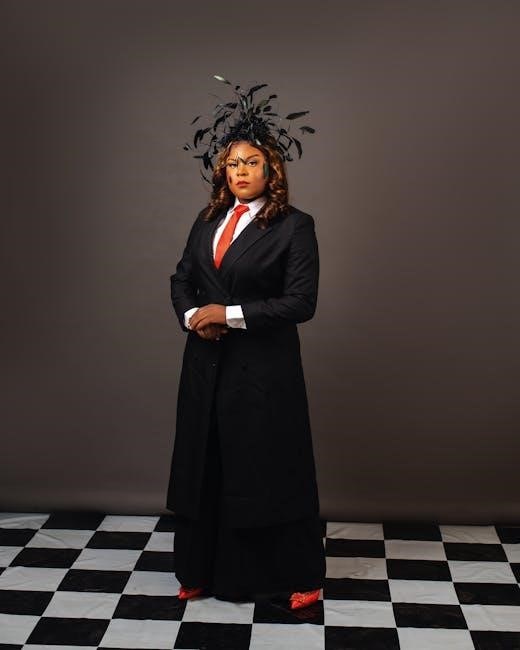
Beyond the Basics: Exploring Other Suit Colours
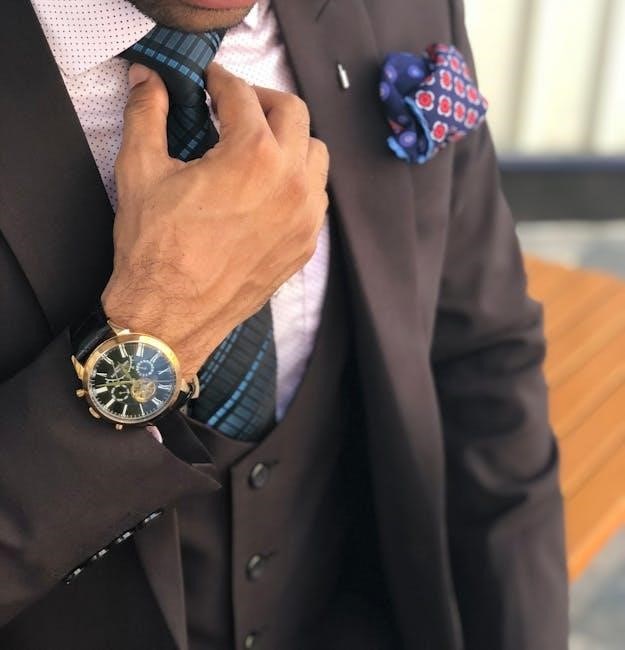
Venturing beyond navy, grey, and black unlocks a spectrum of possibilities, allowing for nuanced expression of personality and intention through shades like green and burgundy.
These bolder choices communicate confidence and creativity, offering a refreshing alternative while still maintaining a sophisticated and polished appearance.
Green Suits: Elegance and Balance
Green suits, often overlooked, represent a compelling choice for those seeking to project elegance and sophistication. While not as conventional as navy or grey, shades like olive or forest green offer a unique and memorable presence, particularly within business settings.
The psychology behind green is deeply rooted in associations with growth, renewal, and harmony. This makes it an ideal colour for individuals aiming to convey a sense of calm composure and balanced perspective. It subtly suggests a grounded and approachable nature, fostering trust and encouraging open communication.
However, the impact of green can vary depending on the specific shade. Darker greens project authority and stability, while lighter shades evoke a more relaxed and optimistic vibe. Consider the context of the occasion and the message you wish to convey when selecting the perfect green suit.
Ultimately, a well-tailored green suit demonstrates confidence and a willingness to stand out, showcasing a refined sense of style and a thoughtful approach to personal presentation.
White Suits: Openness and Optimism (with caveats)
A white suit is a bold statement, immediately conveying openness, optimism, and a sense of fresh perspective. It projects an image of confidence and a willingness to embrace new ideas, suggesting a well-balanced and approachable personality.
However, wearing a white suit requires careful consideration due to its inherent challenges. While it can symbolize purity and clarity, an excess of white can also be perceived as isolating or indicative of unrealistic perfectionism. It’s a colour best utilized as part of a thoughtfully constructed ensemble.
Context is paramount; white suits are generally more appropriate for warmer climates and less formal occasions. They can be stunning for summer events or creative industries, but may appear out of place in conservative business environments.
Maintaining a pristine appearance is crucial, as any imperfections are immediately noticeable. Despite the caveats, a flawlessly tailored white suit can be incredibly impactful, demonstrating a unique and memorable style.
Burgundy/Maroon Suits: Confidence and Creativity
Burgundy and maroon suits represent a compelling departure from traditional suit colours, radiating confidence, creativity, and a touch of unconventional flair. These shades project an aura of sophistication while simultaneously signalling a willingness to stand out from the crowd.
The psychology of burgundy suggests a personality that is both passionate and grounded. It conveys a sense of artistic sensibility and a strong inner conviction, making it an excellent choice for individuals in creative fields or those who wish to project a bold, yet refined image.
Unlike more assertive colours like red, burgundy offers a more subdued and approachable confidence. It’s a colour that commands attention without being overly aggressive, making it suitable for a range of occasions, from business-casual settings to social events.
A well-tailored burgundy or maroon suit demonstrates a keen eye for style and a willingness to embrace individuality. It’s a powerful statement of self-assurance and creative expression.

Suit Colour for Specific Occasions
Strategic suit colour selection is vital for impactful communication; choosing shades that align with the event’s tone enhances perception and conveys respect, competence, or influence.
Consider the context – business meetings demand professionalism, negotiations require influencing perception, and formal events necessitate conveying utmost respect through colour.
Business Meetings: Projecting Competence
For business meetings, the goal is to project competence, trustworthiness, and authority, and your suit colour plays a significant role in achieving this. Navy blue suits are consistently recommended as a top choice, embodying trust and dependability – qualities highly valued in professional settings.
Grey suits offer a versatile alternative, conveying neutrality and sophistication, making them suitable for a wide range of corporate environments. However, avoid overly light or flashy shades of grey, as these can detract from the desired professional image. Olive or forest green suits can also be effective, subtly communicating calmness and composure, while still maintaining a level of elegance.
Black suits, while powerful, can be perceived as overly formal or intimidating for everyday business meetings. Reserve black for more high-stakes presentations or client interactions where a strong, authoritative presence is crucial. Ultimately, the key is to choose a colour that inspires confidence in your abilities and aligns with the company culture.
Negotiations: Influencing Perception
During negotiations, subtly influencing perception is paramount, and your suit colour can be a powerful, yet often overlooked, tool. Navy blue remains a strong contender, fostering trust and projecting an image of reliability – essential for building rapport and establishing credibility with the opposing party.
Grey suits offer a more neutral ground, allowing you to appear balanced and reasonable, potentially encouraging compromise. However, be mindful of the shade; a medium grey is generally preferable to avoid appearing too aloof or indifferent. While less conventional, a carefully chosen green suit can subtly convey a sense of fairness and openness to collaboration.
Avoid overly assertive colours like bright red or stark black, which could be perceived as aggressive or confrontational. Remember, colour psychology suggests colours can change decisions, so selecting a hue that promotes a positive and collaborative atmosphere is key to a successful negotiation outcome.
Formal Events: Conveying Respect
At formal events, your suit colour should primarily convey respect and adherence to established conventions. Black remains the gold standard, signifying power, formality, and a deep reverence for the occasion. It’s a safe and sophisticated choice, particularly for evening galas or black-tie affairs.
Navy blue offers a slightly softer alternative, still projecting authority but with a touch more approachability. However, avoid lighter shades of blue, as they may appear too casual for highly formal settings. While white can portray openness, its use in a full suit for formal events is generally discouraged, potentially appearing unconventional or even disruptive.
Darker shades of grey can also be acceptable, particularly charcoal grey, but ensure the fabric is of high quality and the cut is impeccable. Ultimately, the goal is to demonstrate respect for the event and its attendees through a colour choice that reflects the seriousness and significance of the occasion.

Colour and Personality: What Your Suit Says About You
Suit colour is a powerful non-verbal communicator, revealing aspects of your personality, mood, and intentions to others. Strategic colour choices can align your attire with your desired self-expression.
Matching Suit Colour to Your Personal Style
Selecting a suit colour that resonates with your individual style is paramount to feeling confident and authentic; Consider your existing wardrobe and the overall aesthetic you aim to project. If you favour a classic and understated look, navy or grey suits offer timeless versatility.
For those who embrace boldness and creativity, burgundy or green suits can make a striking statement, reflecting a confident and unconventional personality. However, remember that colour psychology plays a role; ensure the chosen shade aligns with the message you wish to convey.
Don’t be afraid to experiment, but always prioritize comfort and self-assurance. A well-fitted suit in a colour that genuinely reflects your personality will always make a more impactful impression than blindly following trends. Your suit should be an extension of you, enhancing your natural charisma and style.
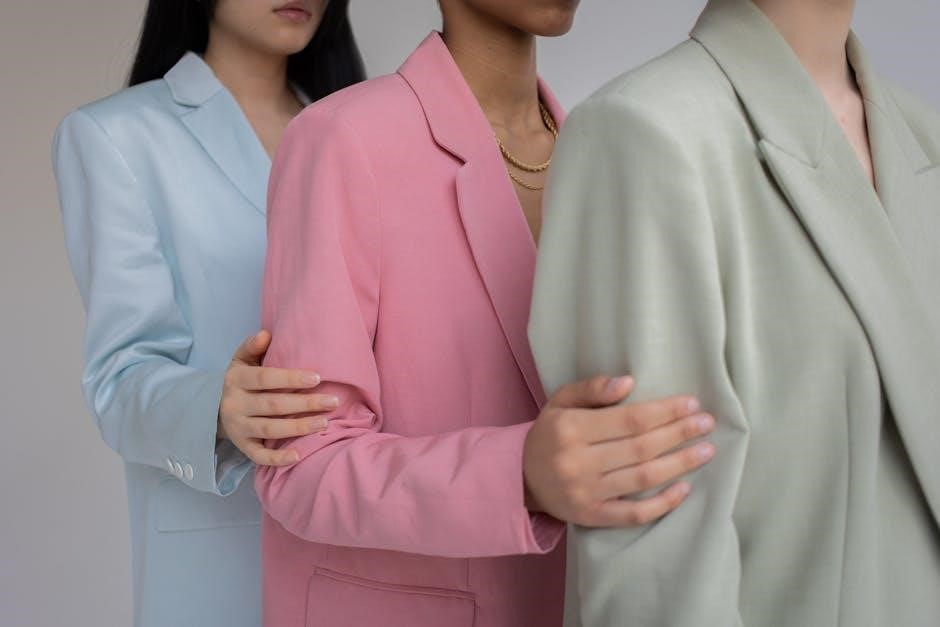
Ultimately, the best suit colour is the one that makes you feel your best, empowering you to navigate any situation with poise and self-belief.
The Role of Colour in Conveying Intention
Suit colour is a powerful non-verbal communication tool, subtly influencing how others perceive your intentions and capabilities. Navy blue projects trust and authority, making it ideal for establishing credibility in professional settings. Conversely, grey conveys neutrality and sophistication, suitable for situations requiring diplomacy and tact.
Black signifies power and formality, best reserved for high-stakes events where commanding respect is crucial. Green evokes balance and composure, signalling a calm and considered approach, while white can portray openness and optimism, though caution is advised to avoid appearing aloof.
Understanding these associations allows you to strategically leverage colour to shape perceptions and achieve desired outcomes. Colour impacts our moods and decisions, so choosing wisely can significantly enhance your influence and effectiveness. Your suit colour should align with your goals, reinforcing your intended message.
Ultimately, intentional colour selection demonstrates awareness and consideration, projecting an image of competence and control;
No Responses