
Frigidaire Stacked Washer and Dryer Manual: A Comprehensive Guide
Navigating this manual unlocks seamless operation of your Frigidaire stacked unit, offering insights from installation to troubleshooting,
ensuring optimal performance and longevity for years to come.
Frigidaire stacked washer and dryer units represent a space-saving laundry solution, ideal for apartments, condos, or homes with limited utility areas. These combined appliances offer the convenience of both washing and drying clothes in a single, vertically integrated system. This manual serves as a comprehensive resource, guiding you through every aspect of owning and operating your Frigidaire stacked laundry center.
Understanding the benefits of a stacked unit – maximizing floor space while maintaining full-size laundry capacity – is key. However, proper installation, operation, and maintenance are crucial for optimal performance and longevity. This guide details everything from unpacking and setup to troubleshooting common issues and performing routine care. We’ll also explore advanced features designed to enhance your laundry experience, ensuring efficient and effective cleaning every time.
Understanding Your Model Number
Your Frigidaire stacked unit’s model number is a crucial piece of information for identifying specific features, ordering replacement parts, and accessing tailored support. Located on the appliance – typically on a label inside the washer door, on the dryer back panel, or within the user manual – it’s a unique identifier for your exact configuration.
Decoding the model number reveals details about the unit’s manufacturing date, color, and specific functionalities. When contacting Frigidaire customer service or searching for online resources, having this number readily available ensures you receive accurate assistance. It allows technicians to diagnose issues effectively and provides access to the correct parts diagrams. Keep this number safe alongside your proof of purchase for warranty claims and future reference.
Safety Precautions
Prioritizing safety is paramount when operating your Frigidaire stacked washer and dryer. Always ensure the unit is properly grounded to prevent electrical shock. Never operate the appliances with a damaged power cord or plug. Keep flammable materials and liquids away from both the washer and dryer to mitigate fire hazards.
Do not allow children to play with or around the appliances. Supervise their proximity during operation. Disconnect power before performing any maintenance or cleaning. Avoid contact with water during electrical component access. Regularly inspect hoses for leaks and replace them promptly. Never attempt to repair the unit yourself; contact a qualified technician for assistance. Following these precautions ensures safe and reliable operation.

Installation & Setup
Proper installation is crucial for optimal performance; carefully unpack, verify components, and adhere to space and connection guidelines for a secure setup.
Unpacking and Inspection
Carefully unpack your Frigidaire stacked washer and dryer, taking inventory of all components against the included packing list. Inspect for any shipping damage – dents, scratches, or broken parts. Report any damage immediately to the retailer and the shipping carrier. Retain all packaging materials until you’ve confirmed the unit functions correctly.
Remove all protective films and shipping restraints from both the washer and dryer. These include cardboard supports, tape, and any plastic wrapping securing internal components. Ensure the drum of the washer is free to rotate and the dryer drum isn’t obstructed. Verify you have received the stacking kit, water supply hoses, and electrical cord (if not pre-installed). A thorough inspection now prevents issues later.
Space Requirements & Ventilation
Proper installation demands adequate space. Measure the intended location, ensuring sufficient width, depth, and height for the stacked unit, plus allowance for connections and ventilation. Refer to your model’s specifications for precise dimensions. Crucially, allow at least 4 inches of space behind the unit for hoses and cords, and 1 inch on each side for airflow.
Ventilation is paramount to prevent overheating. The dryer requires proper exhaust venting to the outside. Do not use plastic or foil venting; rigid metal ductwork is essential. Ensure the vent is unobstructed and meets local building codes. Insufficient ventilation can lead to reduced drying efficiency and potential fire hazards; Confirm adequate room temperature for optimal performance.

Stacking Kit Installation
A dedicated stacking kit is essential for safely securing the dryer atop the washer. Do not attempt to stack without it! The kit typically includes interlocking brackets and straps. Begin by carefully positioning the dryer above the washer, aligning the brackets. Securely fasten the brackets to both units, following the kit’s instructions precisely.
Ensure a level and stable connection. Tighten all screws firmly, but avoid over-tightening. Use a level to verify the dryer is perfectly balanced. The included straps provide additional stability; thread them through the designated slots and tighten securely. Regularly inspect the kit for any looseness and re-tighten as needed. A properly installed kit minimizes vibration and prevents accidents.
Water Supply Connection
Connect the washer to both hot and cold water supplies using new, approved washing machine hoses. Never reuse old hoses! Ensure the water supply valves are fully closed before connecting. Hand-tighten the hoses to the washer, then use pliers to give them an additional quarter-turn – do not overtighten.
Check for leaks immediately after turning on the water supply. Inspect the connections at both the washer and the wall valves. If leaks are present, tighten the connections further or replace the hoses. Proper water pressure is crucial; typically, 20-100 psi is recommended. Consider installing water hammer arrestors to prevent banging noises in the pipes.
Electrical Connection
The dryer requires a dedicated 240-volt electrical circuit, as outlined on the unit’s rating plate. Do not use an extension cord or adapter! A qualified electrician must perform the electrical connection, ensuring it complies with local codes. The washer typically operates on a standard 120-volt, 15-amp circuit.
Verify the voltage matches the appliance requirements before connecting. Improper voltage can cause damage. The electrical outlet should be properly grounded. Never ground the appliance to a water pipe! After installation, test the outlet with a voltage tester to confirm proper operation. Ensure the circuit breaker is easily accessible for emergencies.
Operating Instructions
Mastering your Frigidaire stacked unit involves understanding its control panels, cycle selections, and proper loading techniques for optimal cleaning and drying results.
Washer Control Panel Overview
The Frigidaire washer control panel is designed for intuitive operation. At the center, you’ll find the cycle selector dial, offering a range of options from Normal to Delicates, Bulky Items, and Quick Wash; Digital displays clearly indicate cycle status, remaining time, and selected options.
Key buttons include Start/Pause, allowing you to begin or interrupt a cycle, and options like Temperature, Spin Speed, and Soil Level for customized cleaning. Additional features may include a Delay Start function, enabling you to schedule washes for convenience. Indicator lights signal water temperature, cycle progress, and any error conditions. Familiarizing yourself with these controls ensures efficient and effective laundry care. Refer to the detailed cycle guide for specific recommendations based on fabric type and soil level.
Dryer Control Panel Overview
The Frigidaire dryer’s control panel prioritizes ease of use and precise drying control. A central dial selects drying cycles, including options like Normal, Delicate, Timed Dry, and Wrinkle Control. A digital display showcases the remaining drying time and cycle status.
Essential buttons include Start/Pause, allowing for cycle initiation or interruption, and options to adjust heat levels (High, Medium, Low, Air Dry) and dryness settings. Some models feature a Damp Dry signal or a Sanitize cycle for enhanced hygiene. Indicator lights clearly display cycle progress, heating status, and any potential error messages. Understanding these controls allows you to tailor drying to specific fabric types and desired results, preventing over-drying and preserving garment quality.
Washer Cycle Selection
Frigidaire washers offer a diverse range of cycles to accommodate various fabric types and soil levels. Common cycles include Normal/Regular for everyday laundry, Delicate for lingerie and sheer fabrics, and Heavy Duty for robust items like towels and jeans. A Quick Wash cycle provides a faster cleaning option for lightly soiled loads.
Specialty cycles, such as Bulky Items for comforters and Sanitize, offer targeted cleaning. Temperature settings (Hot, Warm, Cold) allow for customized water temperatures. Options like Extra Rinse ensure thorough detergent removal. Selecting the appropriate cycle and settings is crucial for optimal cleaning performance, fabric care, and energy efficiency. Refer to garment care labels for guidance, and always test new cycles on a small, inconspicuous area first.
Dryer Cycle Selection
Your Frigidaire dryer provides a variety of cycles designed for different fabrics and drying needs. Common selections include Normal/Regular for everyday items, Delicate for sensitive fabrics, and Heavy Duty for towels and bedding. A Timed Dry option allows you to set a specific drying duration, while Sensor Dry automatically detects moisture levels to prevent over-drying.
Specialty cycles like Bulky/Sheets are ideal for larger items, and a Quick Dry cycle offers a faster drying time for smaller loads. Temperature settings (High, Medium, Low, Air Dry) provide further customization. Utilizing the correct cycle ensures efficient drying, minimizes wrinkles, and protects your garments from damage. Always check garment care labels and consider using dryer sheets for added softness and static control.
Adding Detergent & Fabric Softener
Proper detergent and fabric softener usage is crucial for optimal washing performance. Your Frigidaire washer features designated dispensers for each. Use only High Efficiency (HE) detergent, as standard detergents create excessive suds that can damage the machine. Pour the recommended amount of HE detergent into the detergent dispenser – avoid overfilling.
Fabric softener should be added to the designated fabric softener dispenser; never pour it directly onto clothes. Dilute liquid fabric softener with water according to the product instructions before adding it to the dispenser. Avoid using bleach in the fabric softener dispenser. Regularly clean the dispensers to prevent clogs and ensure proper dispensing. Refer to the detergent and fabric softener packaging for specific dosage guidelines.
Loading & Unloading Laundry
Efficient loading and unloading practices maximize washing and drying effectiveness. When loading the washer, distribute items loosely and evenly around the drum’s center to maintain balance. Avoid overloading, as this can reduce cleaning performance and cause damage. For best results, do not pack clothes tightly.
When unloading, promptly remove items to prevent mildew and wrinkles. After the dryer cycle completes, carefully remove laundry, checking for any remaining dampness. Be cautious of hot surfaces. Ensure the dryer drum is empty before starting a new cycle. Avoid placing hot items directly onto delicate surfaces. Regularly inspect the washer and dryer drums for small items left behind.

Troubleshooting Common Issues
Addressing typical problems proactively extends your Frigidaire unit’s lifespan, ensuring consistent performance and minimizing disruptions to your laundry routine with ease.
Washer Not Starting
If your Frigidaire washer fails to initiate a cycle, begin by verifying the power supply – ensure the unit is securely plugged into a functioning outlet. Check the circuit breaker or fuse box for any tripped breakers or blown fuses. Next, confirm the washer door is completely and firmly latched; a safety interlock prevents operation if the door isn’t secure.
Inspect the water supply valves to guarantee they are fully open, allowing water to flow into the machine. A kinked or blocked water inlet hose can also prevent starting. Additionally, examine the control panel settings; ensure a cycle has been selected and the ‘Start’ button has been pressed. If the issue persists, consult the error code display (if applicable) for specific diagnostic information, referencing the error code section of this manual.
Dryer Not Heating
When your Frigidaire dryer isn’t producing heat, the first step is to verify the electrical connection – confirm the dryer is properly plugged in and the circuit breaker hasn’t tripped. Inspect the venting system; a clogged lint filter or blocked exhaust duct significantly restricts airflow, causing overheating and preventing heat generation. Always clean the lint filter before each use.
Check the dryer’s heating element; a faulty element is a common cause of no-heat issues. (Caution: Disconnect power before inspecting internal components!). Examine the thermal fuse and thermostat – these safety devices can trip if the dryer overheats. If these components test as faulty, they require replacement. Refer to the troubleshooting section for error codes, if displayed, and consult a qualified technician if you’re uncomfortable performing these checks.
Water Leaks (Washer)
Discovering water leaks from your Frigidaire washer requires immediate attention. Begin by inspecting the water inlet hoses and drain hose connections – ensure they are tightly secured and undamaged. Check the door boot (gasket) for tears or debris, as this is a frequent leak source. Examine the pump and its housing for any signs of cracks or leakage.
Overloading the washer can also cause leaks, as can using excessive detergent, leading to excessive suds. Verify the internal drain pump filter is clear of obstructions. If the leak persists, carefully observe where the water is originating from during a wash cycle to pinpoint the source. Caution: Disconnect the power supply before investigating internal components. If you are unable to identify or resolve the leak, contact a qualified appliance repair technician.
Excessive Vibration
Significant vibration during operation indicates an imbalance within your Frigidaire stacked unit. First, ensure the washer and dryer are level; use a spirit level to verify and adjust the leveling feet accordingly. Confirm the stacking kit is correctly installed and securely fastened, as a loose kit dramatically increases vibration. Avoid overloading the washer – distribute laundry evenly within the drum.
Check that shipping bolts have been removed during installation, as these are designed to stabilize the unit during transport. Inspect the suspension rods and shock absorbers for wear or damage; these components dampen vibrations. If the vibration continues, it could signal a failing drum bearing, requiring professional repair. Regularly check for and remove any unbalanced loads before starting a cycle.
Error Codes & Meanings
Your Frigidaire stacked unit utilizes error codes to diagnose internal issues. A flashing error code on the control panel signals a problem requiring attention. Common washer codes include “F01” (water inlet issue), “F02” (drainage problem), and “F03” (unbalanced load). Dryer errors might display “E01” (heating element failure), “E02” (thermistor malfunction), or “E03” (motor overload).
Consult the complete error code list in the appendix of this manual for a comprehensive explanation of each code and suggested troubleshooting steps. Resetting the unit by unplugging it for several minutes can sometimes clear minor errors. However, persistent error codes necessitate contacting a qualified service technician for diagnosis and repair. Ignoring error codes can lead to further damage.

Maintenance & Care
Regular cleaning and upkeep are vital for maintaining peak performance and extending the lifespan of your Frigidaire stacked washer and dryer unit.
Cleaning the Washer Drum

Maintaining a clean washer drum is crucial for preventing odors, mildew, and residue buildup. Frigidaire recommends performing a drum cleaning cycle monthly, or more frequently with heavy use. Utilize a washing machine cleaner specifically designed for front-load washers, following the product’s instructions carefully.
Alternatively, you can use a solution of hot water and white vinegar – approximately two cups of vinegar added directly to the drum. Run a normal wash cycle on the hottest water setting. After the cycle completes, leave the washer door ajar to allow for thorough ventilation and drying.
Don’t forget to wipe down the rubber gasket around the door after each use to remove any lingering moisture or detergent residue, preventing mold growth. Regular drum cleaning ensures optimal washing performance and prolongs the life of your appliance.
Cleaning the Dryer Lint Filter
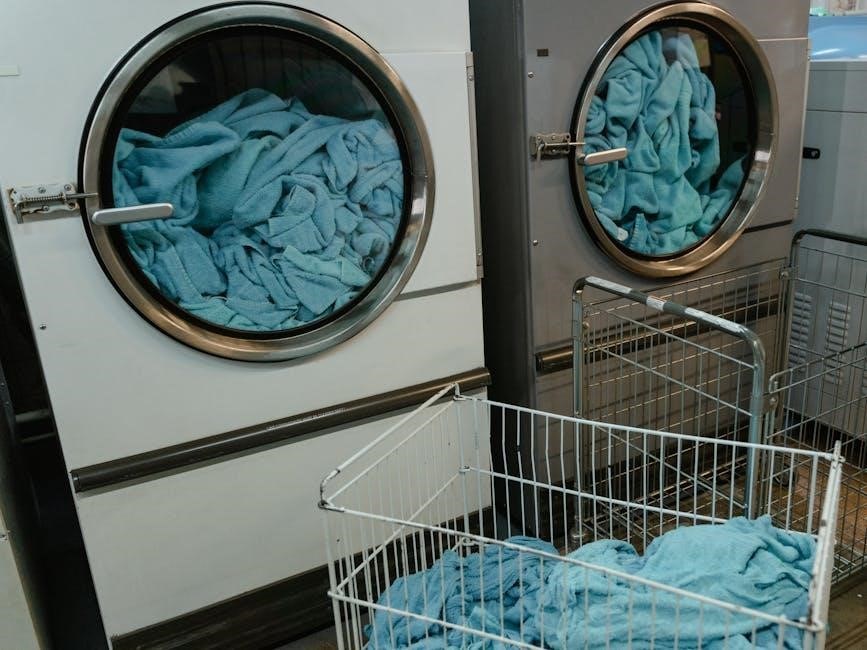
Regularly cleaning the dryer lint filter is paramount for both safety and efficiency. A clogged lint filter restricts airflow, increasing drying times, raising energy consumption, and posing a significant fire hazard. Frigidaire recommends cleaning the lint filter after every single load of laundry.
The lint filter is typically located inside the dryer drum, near the door opening. Simply remove the filter, gently pull off the accumulated lint, and replace it securely. Avoid using water or chemical cleaners on the lint filter, as this can damage the material and reduce its effectiveness.
Periodically, you should also thoroughly clean the lint filter housing with a vacuum cleaner to remove any lingering lint buildup. Maintaining a clean lint filter ensures optimal dryer performance and minimizes fire risk;
Cleaning Exterior Surfaces
Maintaining the exterior of your Frigidaire stacked unit enhances its appearance and protects the finish. Always disconnect the power supply before cleaning any exterior surfaces. Use a mild detergent and warm water solution applied with a soft cloth to gently wipe down the cabinet, control panel, and door surfaces.
Avoid abrasive cleaners, scouring pads, or harsh chemicals as these can scratch or damage the finish. For stainless steel surfaces (if applicable), use a stainless steel cleaner specifically designed for appliances, following the manufacturer’s instructions.
Rinse thoroughly with a clean, damp cloth and dry with a soft towel. Pay attention to areas prone to fingerprints and spills. Regular cleaning prevents buildup and keeps your Frigidaire unit looking its best.
Winterizing Your Stacked Unit
Protecting your Frigidaire stacked washer and dryer during freezing temperatures is crucial to prevent damage. If the unit is located in an unheated area, take preventative measures. Disconnect the water supply hoses and drain all remaining water from the washer to avoid freezing and potential bursting of the hoses or drum.
Pour RV antifreeze into the washer drain pump and tub (consult your full manual for specific instructions and quantities) to prevent residual water from freezing. For the dryer, ensure the vent is clear of obstructions like snow or ice to maintain proper airflow and prevent fire hazards.
Consider covering the unit with a breathable cloth to provide additional insulation. Remember to reconnect everything properly before resuming use when temperatures rise.
Long-Term Storage
Preparing your Frigidaire stacked unit for extended storage requires careful attention to detail. Begin by thoroughly cleaning both the washer and dryer, removing all traces of detergent, fabric softener, and lint. Disconnect both the water supply and electrical connections. Drain all water lines completely, and consider adding RV antifreeze to the washer’s drain pump to prevent corrosion.
Secure the washer drum to prevent movement during storage. For the dryer, remove and store the lint filter in a safe place. Cover the entire unit with a breathable, protective cover to shield it from dust and debris. Store in a dry, climate-controlled environment if possible, avoiding extreme temperatures and humidity.
Before resuming use, inspect all connections and components for damage.
Advanced Features & Settings
Explore specialized cycles like Delay Start, Sanitize, and Steam (if equipped), alongside energy-saving tips, to personalize laundry routines and maximize efficiency.
Delay Start Function
The Delay Start function allows you to conveniently schedule laundry cycles to begin at a later time, fitting your busy lifestyle. This feature is particularly useful for taking advantage of off-peak energy rates, or ensuring laundry is finished when you return home. To utilize this setting, simply press the “Delay Start” button on the control panel.
You’ll then be able to select the desired delay time, typically in hours. The display will indicate the estimated completion time of the cycle. Remember to add detergent and load the laundry before activating the Delay Start. Avoid using liquid bleach with the delay start function, as it may cause discoloration. Always double-check the selected cycle and delay time before starting, to avoid any unexpected results. This function provides flexibility and control over your laundry schedule.
Sanitize Cycle
The Sanitize Cycle utilizes elevated water temperatures to eliminate bacteria and germs from your laundry, providing a deeper clean for items requiring extra hygiene. This cycle is ideal for bedding, baby clothes, and heavily soiled items. To activate, select the “Sanitize” option on your washer’s control panel – it’s often paired with a hot water temperature setting.
Ensure the load is appropriate for the sanitize cycle; avoid delicate fabrics that may be damaged by high heat. Using a suitable detergent is also crucial for optimal sanitization. While the washer sanitizes, the dryer may offer a corresponding sanitize option, further enhancing germ removal. Always check garment care labels before using this cycle. This cycle offers peace of mind, knowing your laundry is thoroughly cleaned and disinfected.
Steam Cycle (If Applicable)
If your Frigidaire stacked unit features a Steam Cycle, it offers a gentle yet effective cleaning method, utilizing the power of steam to penetrate fabrics and loosen dirt and wrinkles. This cycle is particularly beneficial for delicate items, reducing the need for harsh chemicals and high temperatures. Select the “Steam” option on the dryer’s control panel, choosing the appropriate steam level based on your fabric type.
Steam cycles can also help refresh clothes between washes, removing odors and leaving them feeling revitalized. Always check garment care labels to ensure the item is steam-safe. Some models combine steam with tumble cycles for wrinkle reduction. Proper water supply to the unit is essential for steam functionality. Enjoy the benefits of a professionally cleaned feel, right in your home!
Energy Saving Tips
Maximize efficiency and minimize utility bills with these energy-saving practices for your Frigidaire stacked washer and dryer. Always operate full loads whenever possible, avoiding partial loads which waste both water and electricity. Utilize cold water wash settings for most loads; heating water accounts for a significant portion of energy consumption. Clean the dryer’s lint filter after every use to ensure optimal airflow and reduce drying times.
Consider air-drying clothes when feasible, especially during warmer months. Select appropriate cycle settings – avoid over-drying. Ensure proper ventilation around the stacked unit to prevent overheating. Regularly inspect and maintain your unit as outlined in the ‘Maintenance & Care’ section. These simple steps contribute to a greener lifestyle and substantial cost savings!
No Responses